Protecting Your Revenue and School Partnerships: How Auditable Protocol Training Secures Master Contracts
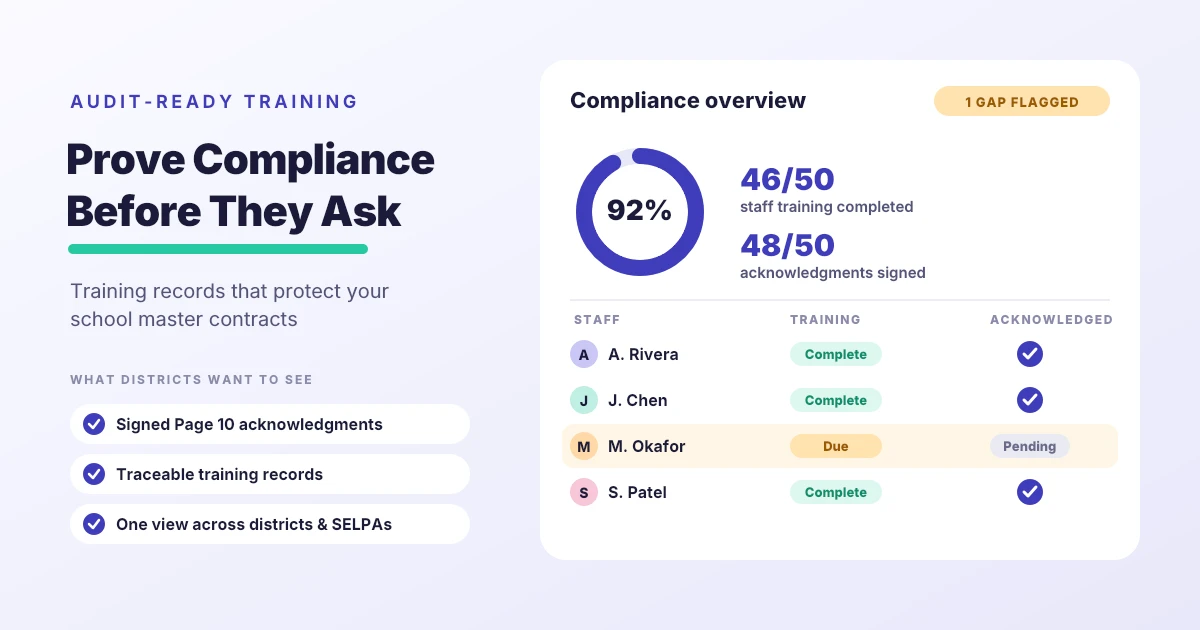
This article explains how auditable staff training and provider acknowledgments help contracted agencies demonstrate compliance with school district requirements. It explores the importance of Page 10 acknowledgments, digital recordkeeping, traceable training completion, and verifiable staff responsibilities. It also outlines how executive leaders can monitor compliance across multiple K–12 and SELPA partnerships, identify documentation gaps, and maintain records that support contract requirements and stronger district relationships.
Effective virtual classroom software LMS integration relies on 1EdTech LTI 1.3 for secure Single Sign On (SSO) and gradebook return, paired with native REST webhooks to capture exact participant join duration, late arrivals, and recording views inside immutable audit logs.
7 Best Absorb LMS Alternatives for Enterprise & Healthcare [2026 Audit]
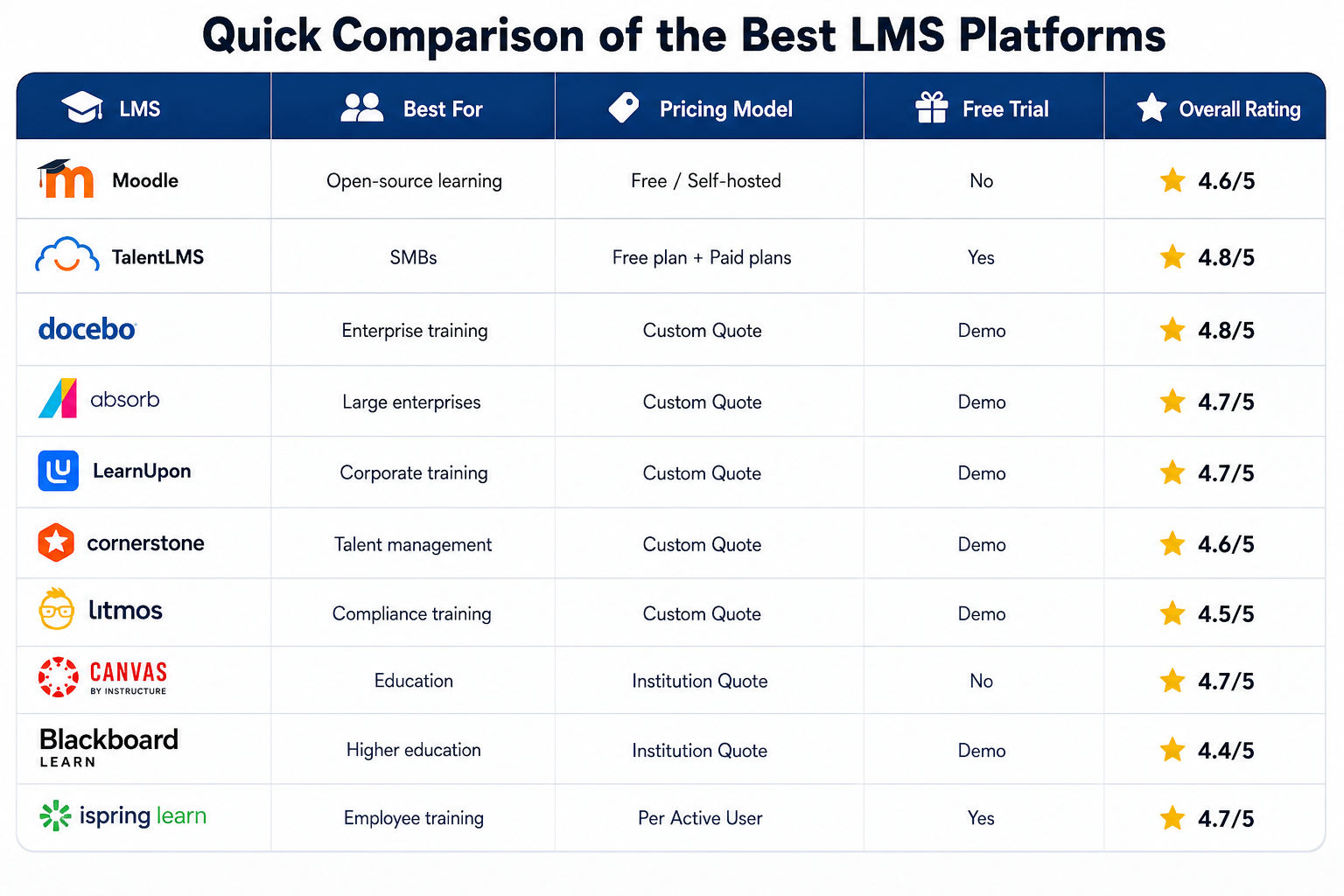
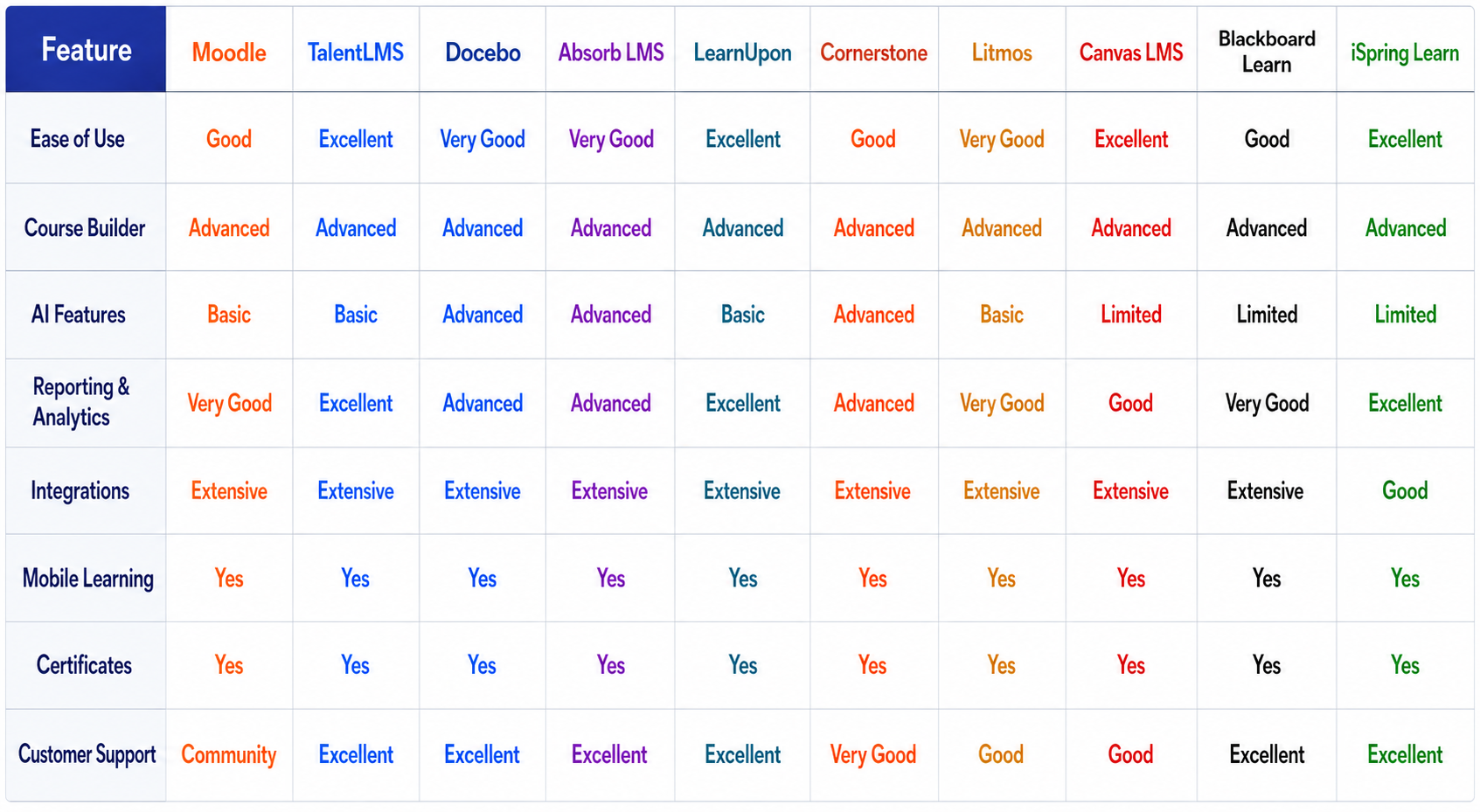
A comprehensive 2026 buyer guide analyzing the top 7 alternatives to Absorb LMS for corporate training, healthcare providers, and high-growth enterprises. Evaluates pricing structures, per-seat licensing traps, SCORM 2004 compliance, customer support responsiveness, and source file ownership. Features an in-depth comparison of TheEduAssist Learn, Docebo, TalentLMS, LearnUpon, Rippling LMS, Canvas, and Moodle, with real-world TCO migration calculations.
An in-depth 2026 procurement audit analyzing Docebo pricing models, Monthly Active User (MAU) overage fees, mandatory enterprise setup charges, and contract lock-ins. Contrasts Docebo against sovereign flat-rate learning architecture, highlighting how mid-market corporations, healthcare networks, and public sector agencies avoid six-figure SaaS subscription traps through turnkey courseware engineering.
From Physical Training to LMS Courses: How Government Agencies Can Modernize Employee Training
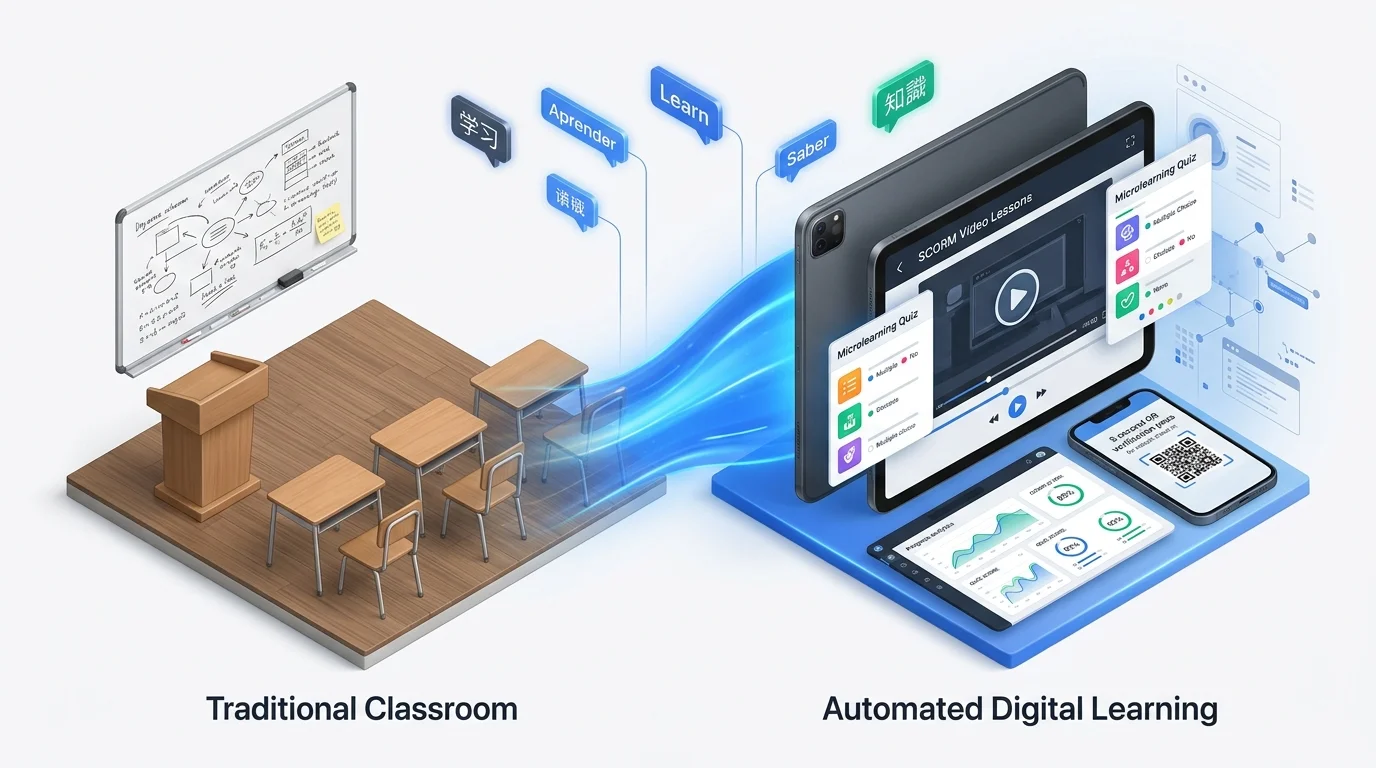
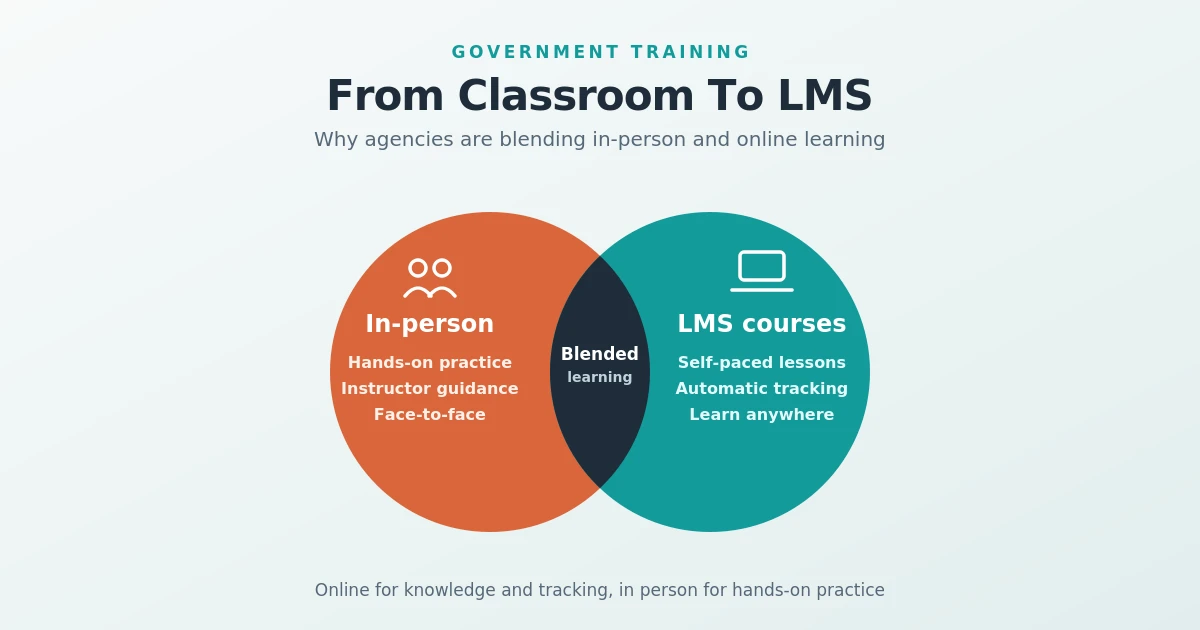
This article compares traditional physical training with LMS-based learning in government agencies. It explains the benefits of online training, including greater accessibility, reduced administrative costs, consistent course delivery, and easier progress tracking. It also outlines the steps for transitioning existing training materials into online courses and explains how blended learning can combine digital lessons with practical, face-to-face instruction.
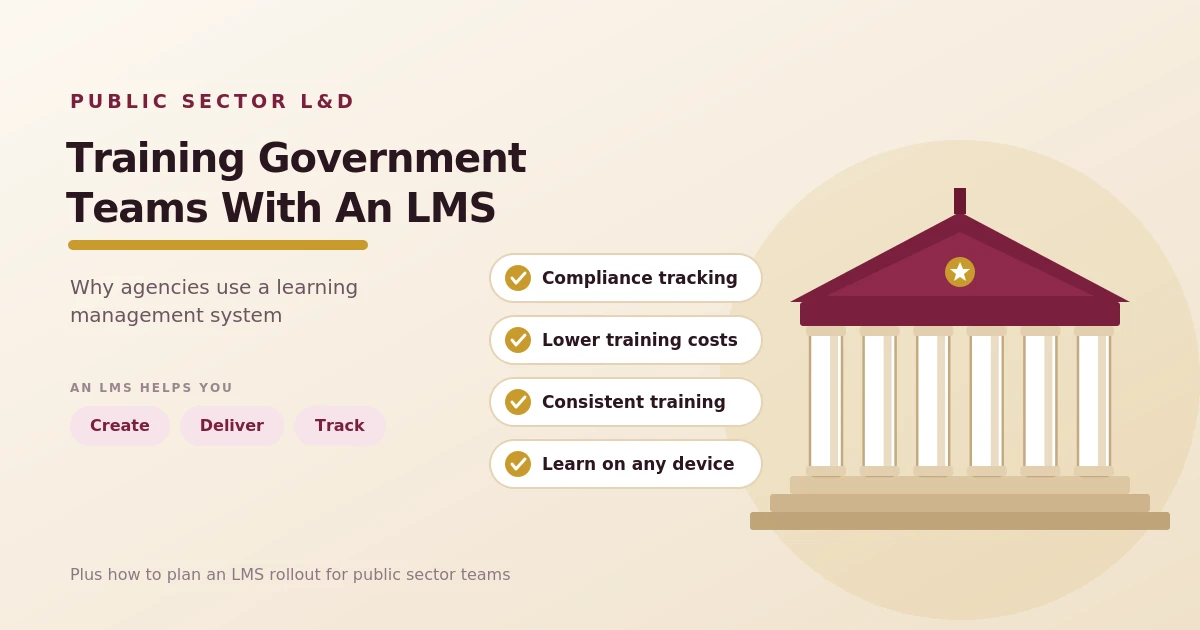
Government Workforce Training: How LMS Platforms Support Public Sector Learning and Development
This article explores how learning management systems support learning and development in government agencies. It explains the benefits of LMS platforms, including simplified compliance tracking, reduced training costs, consistent learning across departments, and flexible employee access. It also discusses the importance of public sector workforce development and outlines practical steps for implementing an LMS in a government organization.
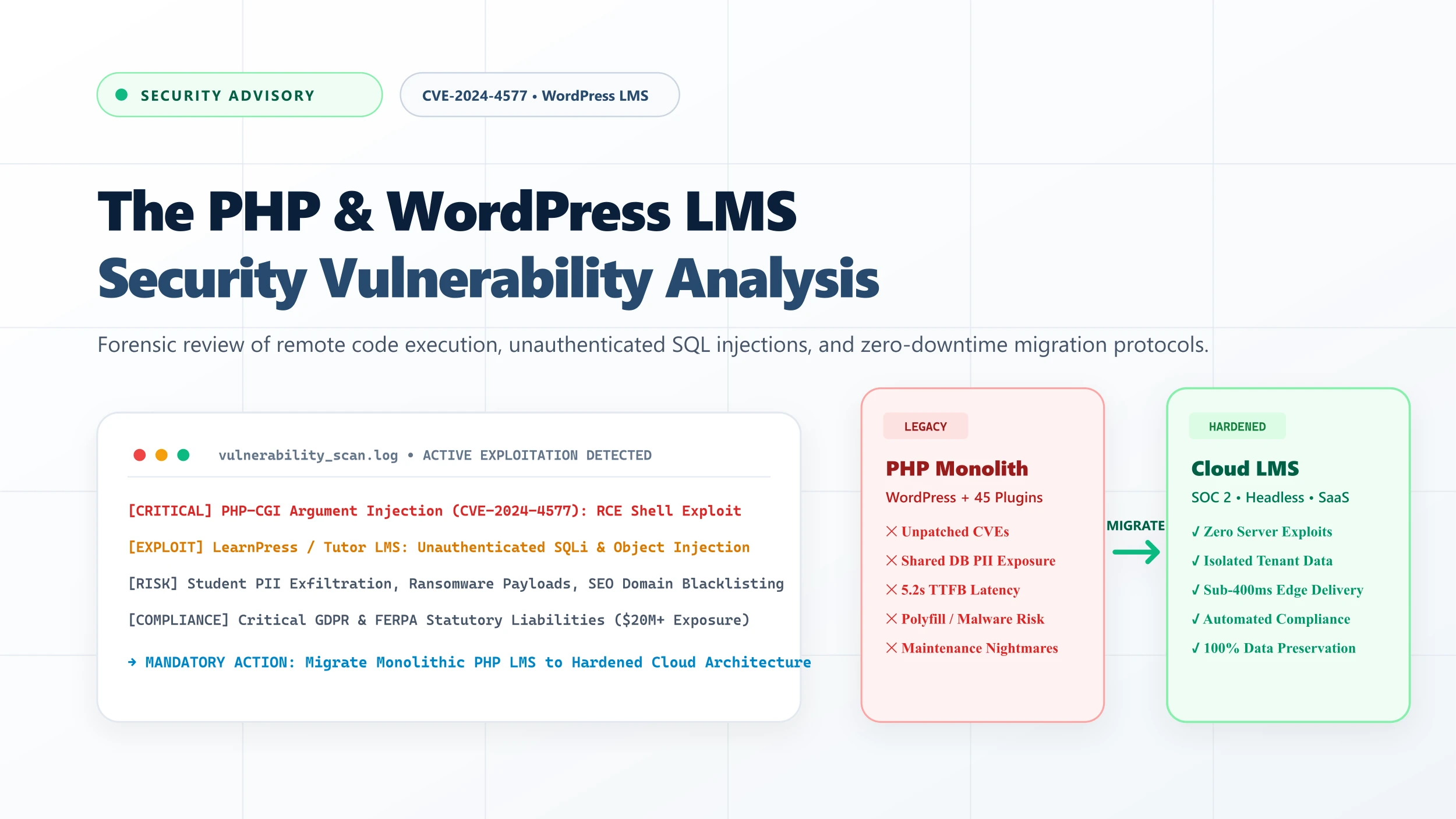
This in-depth security analysis unpacks the severe architectural and technical risks of hosting learning platforms on legacy PHP and WordPress LMS plugins (LearnDash, Tutor LMS, LearnPress, WooCommerce). It examines CVE-2024-4577, unauthenticated SQL injections, supply chain threats, compliance liabilities under GDPR and FERPA, and outlines why modern decoupled and cloud SaaS LMS architectures are essential for long-term survival.
TheEduAssist Official Strategic Partnership with LearnWorlds LMS: Full Implementation Guide
TheEduAssist is officially partnering with LearnWorlds, uniting premier instructional design with one of the most advanced interactive learning platforms. The collaboration delivers turnkey academy builds, interactive video engineering, SCORM integration, and zero-downtime LMS migrations.
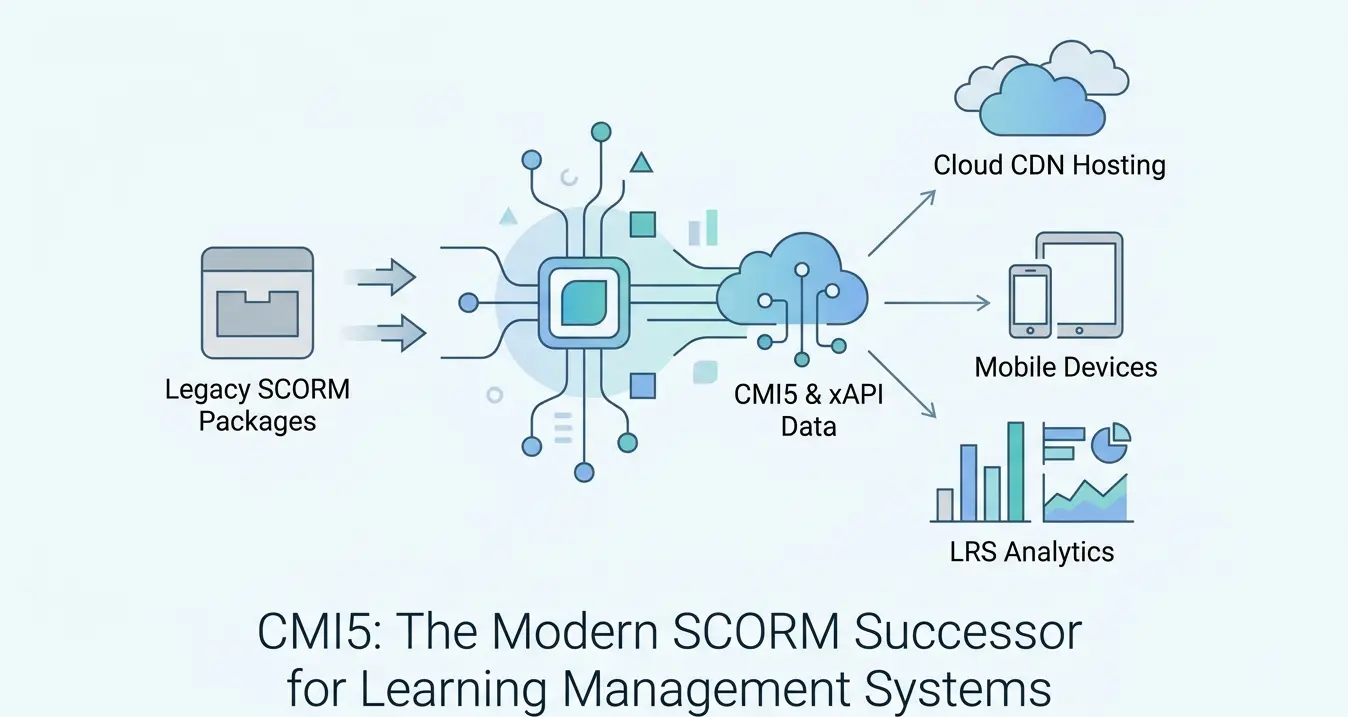
A comprehensive technical and strategic guide to cmi5, the official interoperability specification designed to modernize SCORM using xAPI. Explains how cmi5 bridges LMS launch mechanisms with rich xAPI data, the structure of cmi5.xml, the 9 standard verbs, decoupled CDN content hosting, US Department of Defense mandates (DoDI 1322.26), a 4-way comparison matrix (SCORM 1.2 vs 2004 vs xAPI vs cmi5), and when course creators should adopt it.
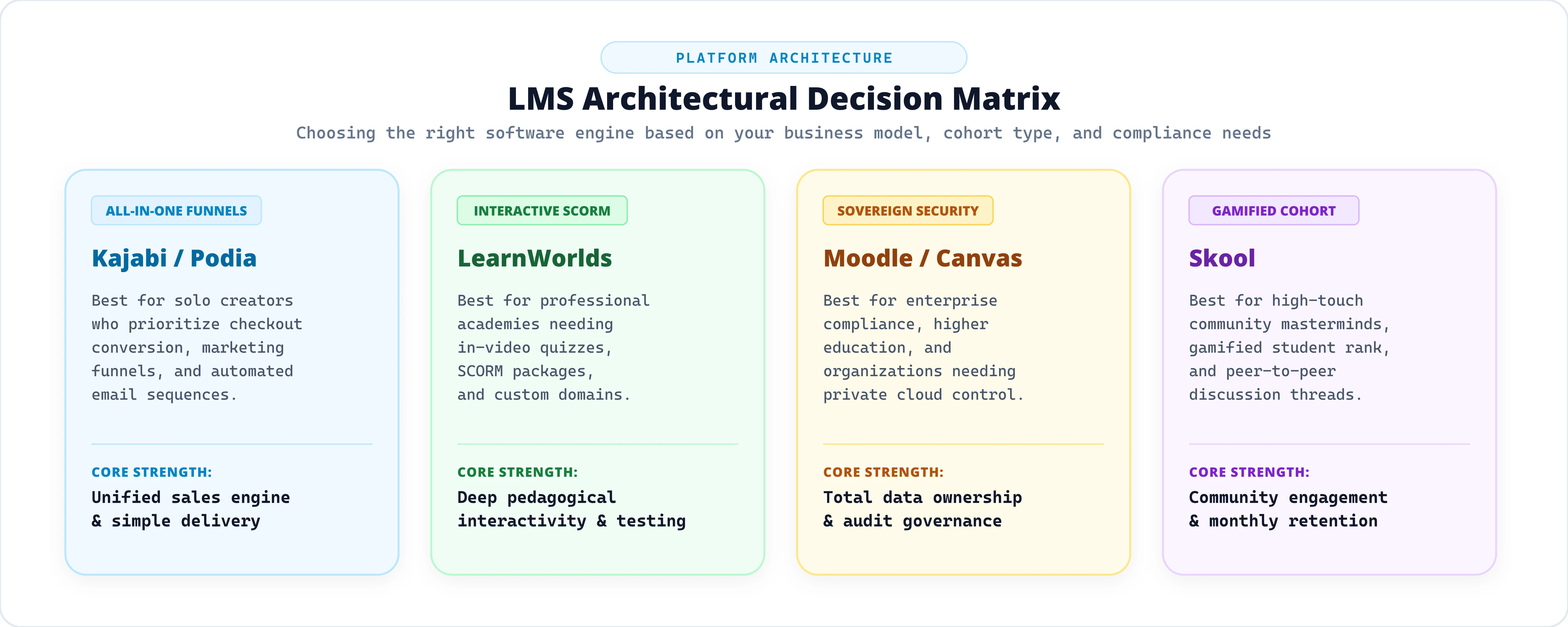
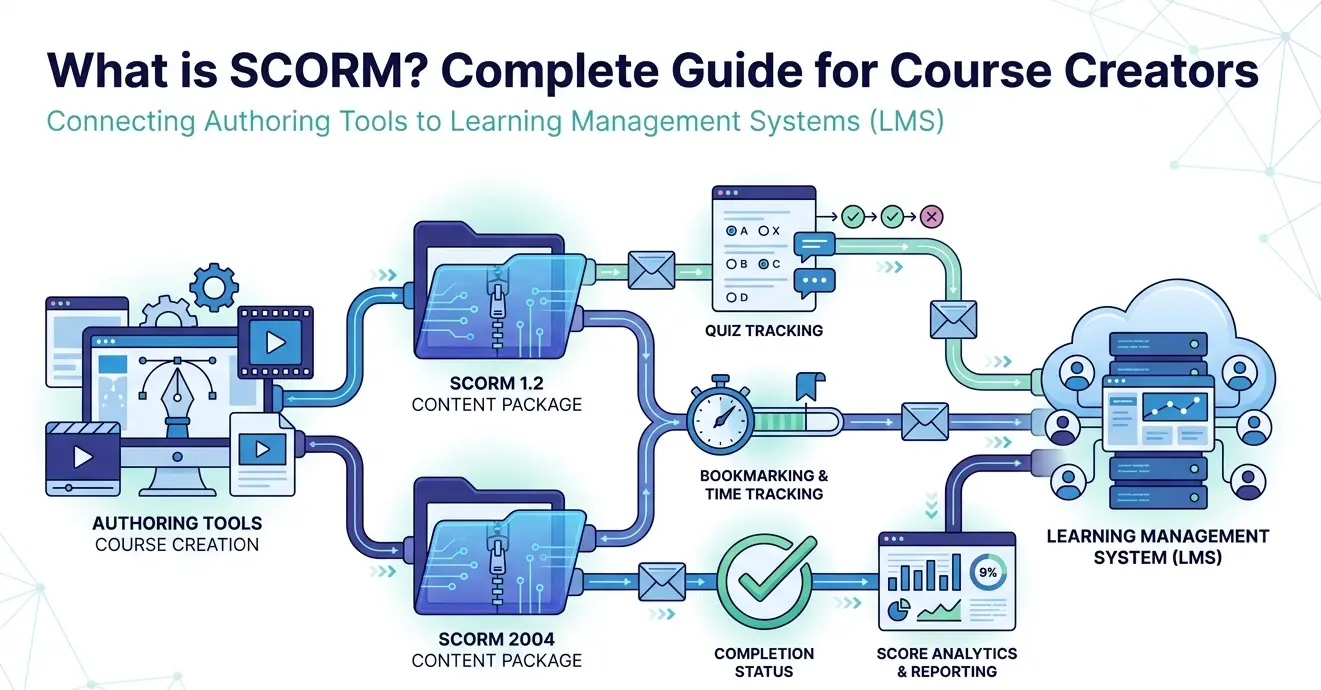
A comprehensive technical and practical guide explaining SCORM (Sharable Content Object Reference Model) for course creators and corporate L&D leaders. Covers SCORM 1.2 vs SCORM 2004 differences, the fatal 4,096-character suspend_data limit, imsmanifest.xml packaging, the JavaScript runtime API handshake, real-world Reddit troubleshooting scenarios, and agency recommendations on choosing between creator platforms like Kajabi/Skool versus enterprise LMSs like Cornerstone or Workday.
What is xAPI? Complete Guide to Experience API & LRS
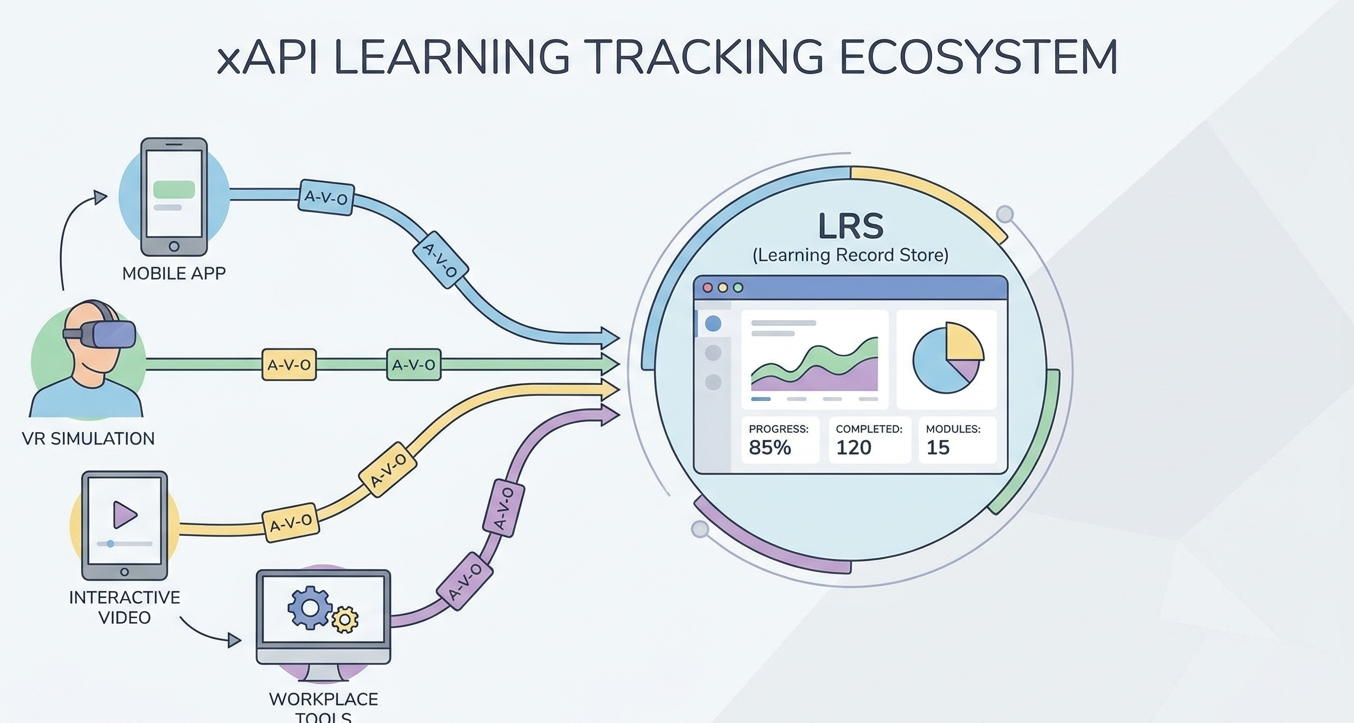
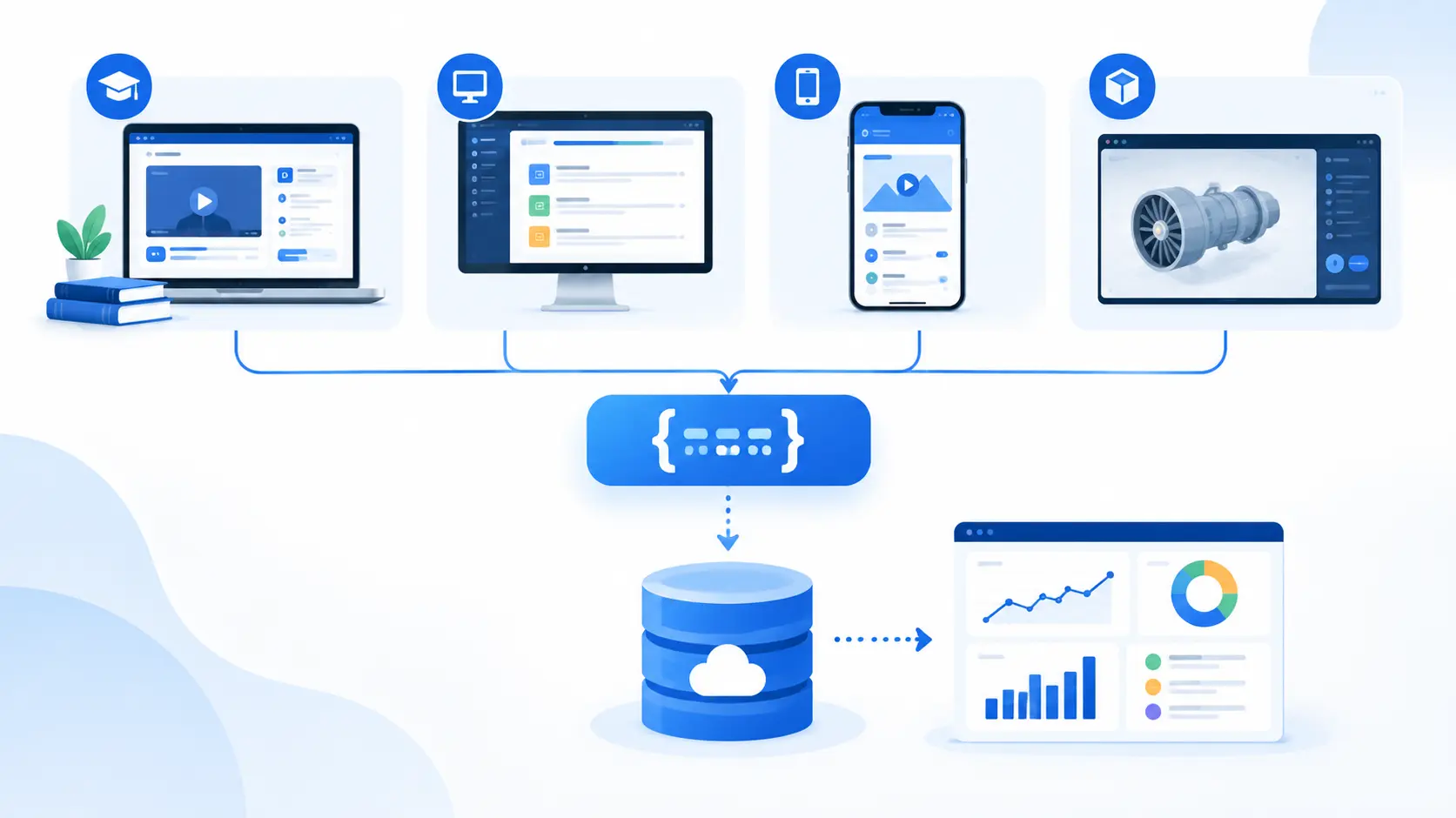
A definitive guide to the Experience API (xAPI / Tin Can API) and Learning Record Stores (LRS) for modern course creators and L&D leaders. Explains how xAPI liberates learning telemetry beyond LMS walls, the Actor-Verb-Object JSON data model, tracking scenario branching decisions and drop-off points, interpreting time spent versus cognitive friction, real Reddit discussions on practical adoption, and agency frameworks for iterative course improvement.
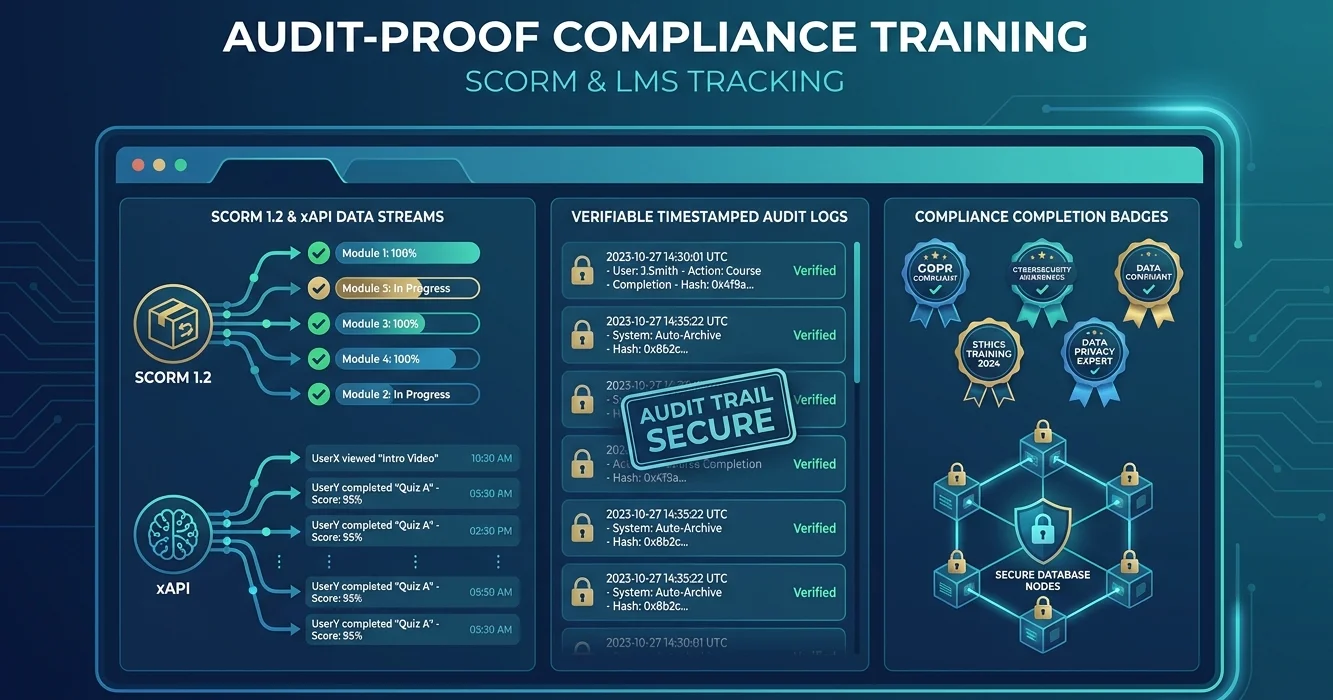
Technical architecture guide for HR and L&D engineering teams on designing, testing, and deploying audit-ready SCORM packages and automated LMS compliance logs.
Small Team Free LMS: Smart Cost-Saving or Risky Shortcut?
Evaluate whether a free LMS is a strategic cost-saver or an expensive technical distraction for small businesses and growing teams. Compare freemium cloud tiers, open-source hosting overhead, and modern affordable alternatives.
Free Moodle Installation: Real Self-Hosting Costs vs. Cloud LMS [2026 TCO Analysis]
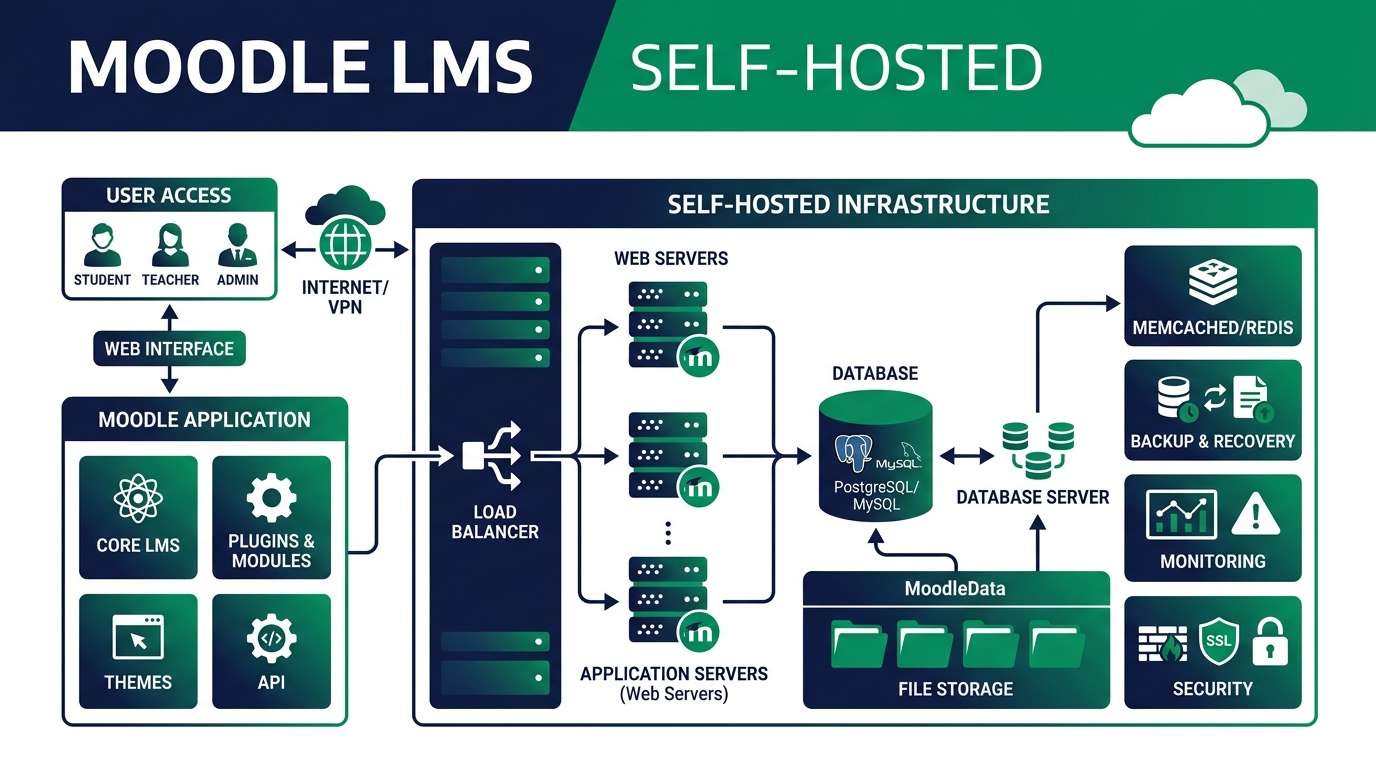
In-depth total cost of ownership (TCO) analysis for self-hosted Moodle LMS installations in 2026. While the open-source software is free to download, cloud hosting, MariaDB optimization, Redis caching, security updates, and IT administrator labor create significant recurring costs.
LMS vs LXP: Which Platform Does Your Company Actually Need?
Understand the differences between a Learning Management System (LMS) and a Learning Experience Platform (LXP). Compare top-down administrative compliance against personalized, AI-driven learner discovery to choose the right learning technology stack.
4 Stages to Implement xAPI in E-Learning for Course Revolution
This guide explains the four key stages of implementing xAPI in e-learning. It covers how to define learning activities to track, design xAPI data, choose a Learning Record Store (LRS), connect learning systems, test xAPI statements, and use learning data for meaningful analysis. It also explains the differences between xAPI and SCORM and provides a practical implementation checklist for e-learning teams.
Something Big Is Coming to LearnWorlds: Inside the October 2026 AI Suite, Agents & MCP Reveal
In-depth analysis of the October 2026 LearnWorlds platform release. Covers the conversational AI Creation Suite, autonomous Learner and Management Agents, interactive custom learning objects, recurring certification lifecycles, and native Model Context Protocol (MCP) connectivity.
Not sure which article applies to your course or LMS?
Share your course, Kajabi setup, LMS, training content, or platform question. TheEduAssist will review your setup within 24–48 hours and suggest the next best step.