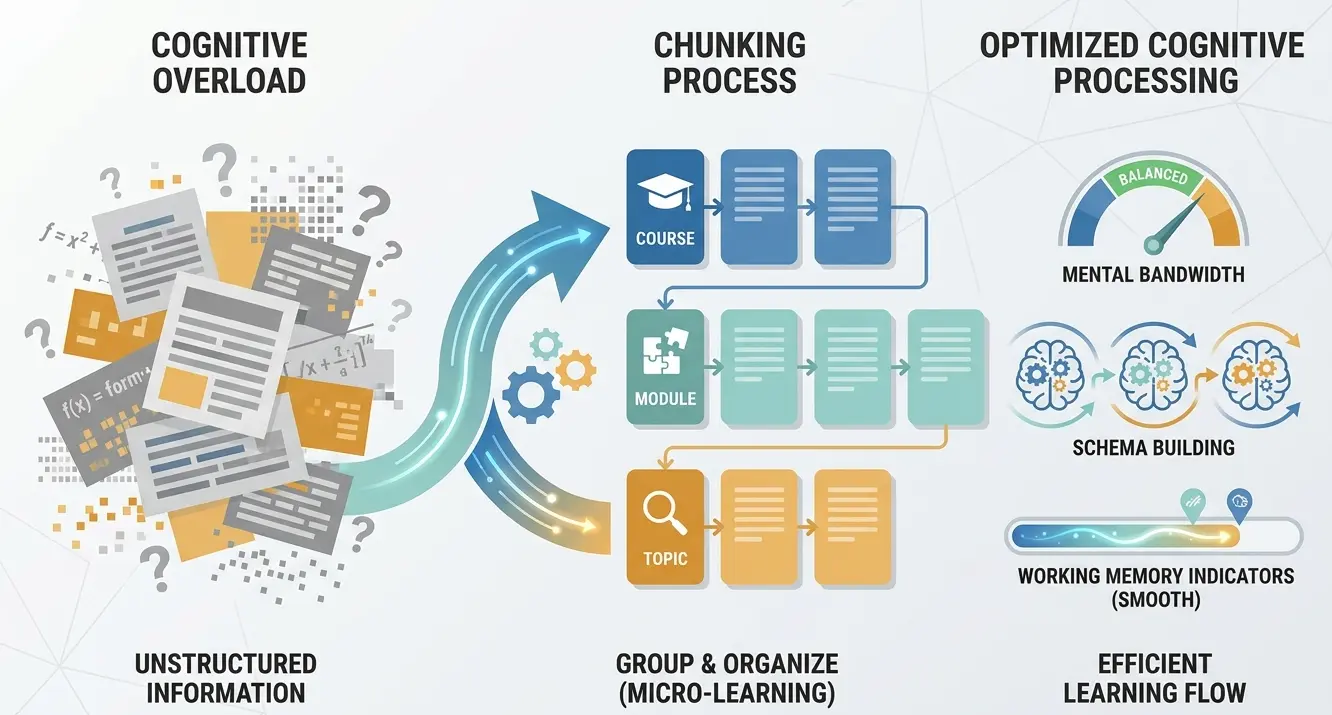
What is Chunking in Instructional Design? 2026 Guide
A comprehensive instructional design guide explaining the science of content chunking, Cognitive Load Theory (Sweller), and Miller's Law. Covers the fatal mistake of treating slide dumps or video libraries as complete courses, provides the proven 3–7 minute instructional video rule with immediate practice loops, highlights real Reddit discussions on pushing back against SME content overload, and shares practical chunking blueprints for modern eLearning.
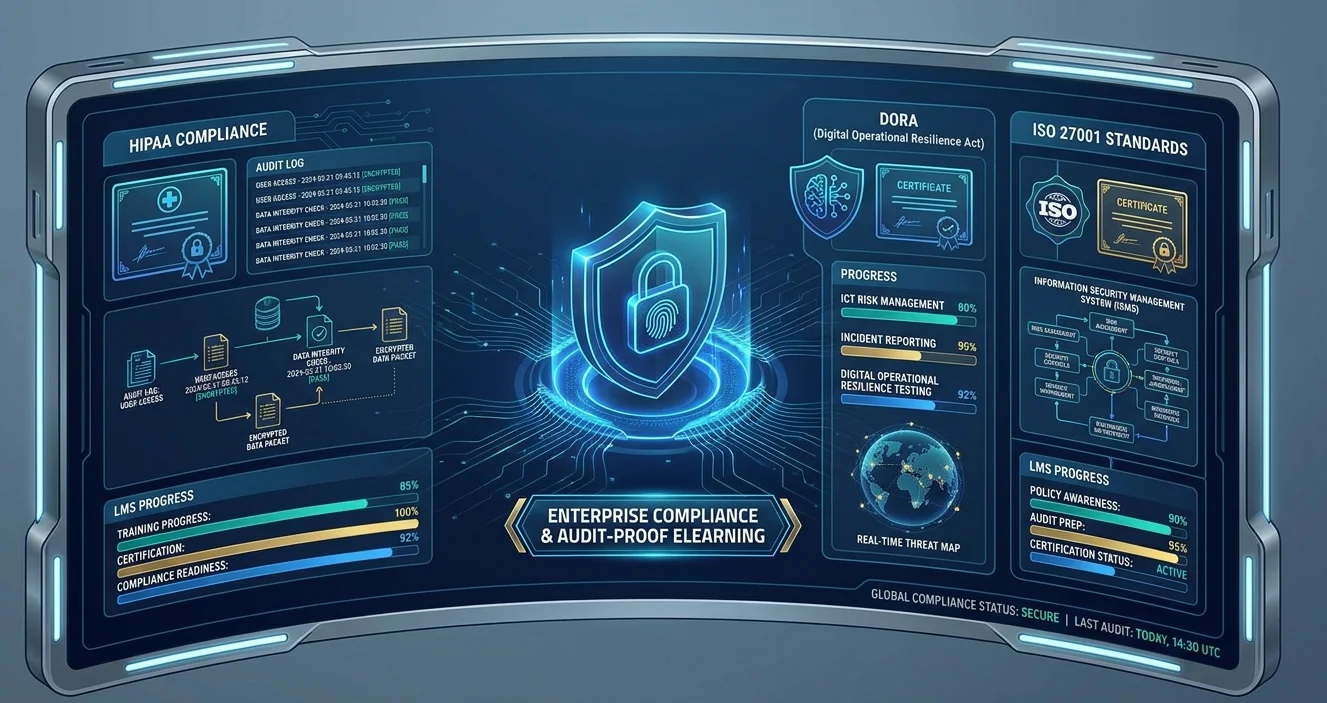
HIPAA, DORA & ISO 27001: Audit-Proof Cybersecurity LMS
Comprehensive compliance guide for healthcare networks, financial institutions, and fintech enterprises to deploy auditable HIPAA, EU DORA, and ISO 27001 cybersecurity training.
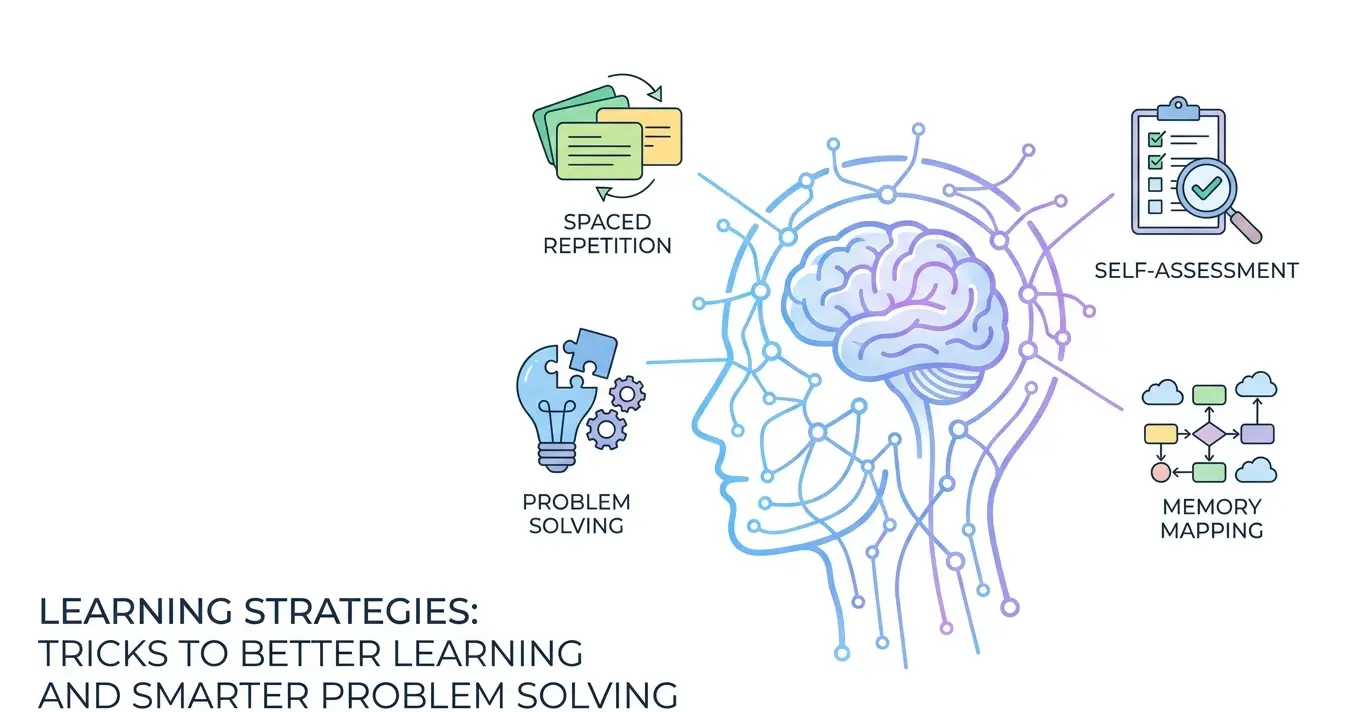
Learning Strategies: Better Learning and Smarter Problem Solving
Discover evidence-based cognitive learning strategies for adult education and workforce training. Explore active recall, spaced repetition, dual coding, interleaving, and metacognitive frameworks that improve retention and real-world problem-solving.
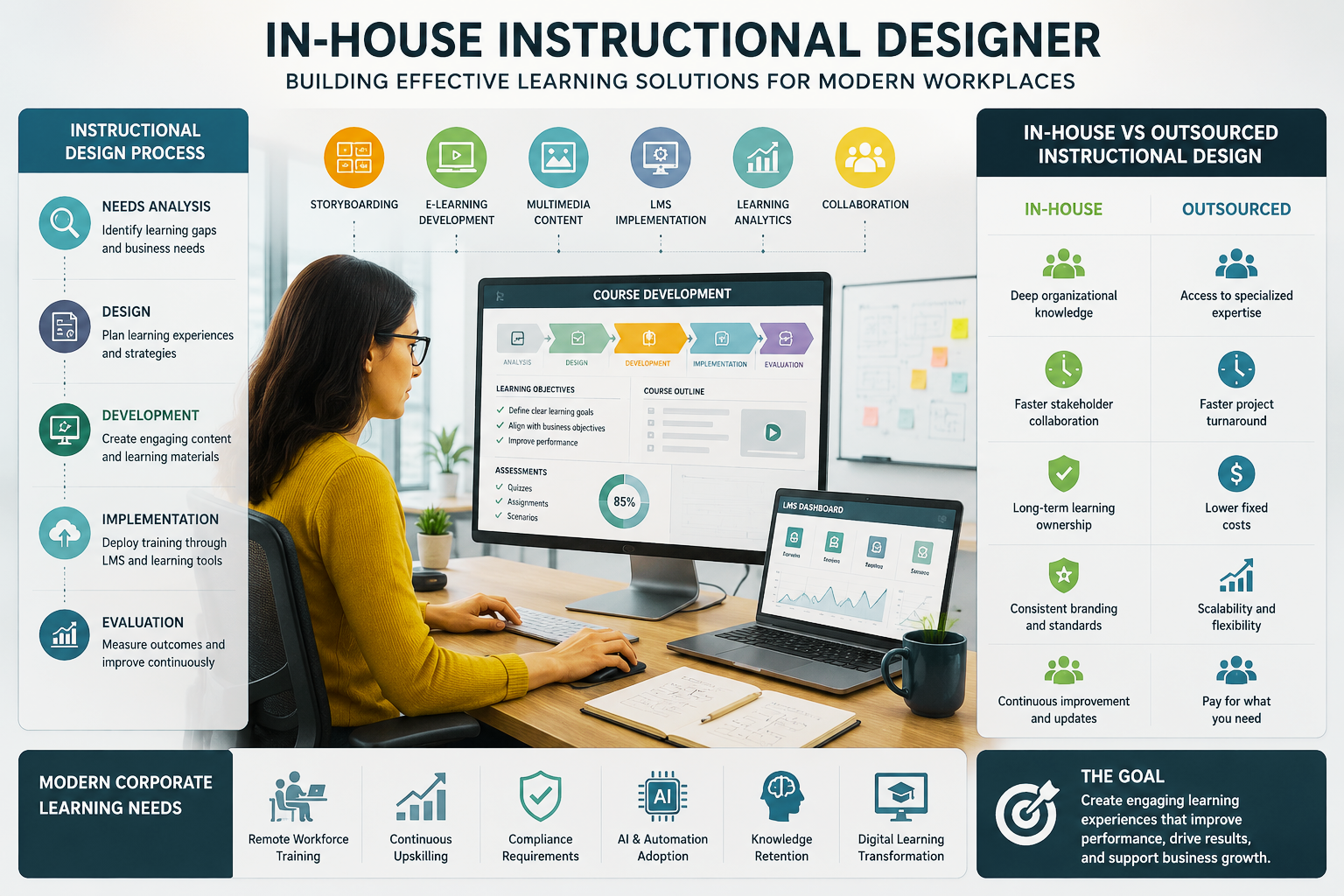
Is It Worth Hiring an In-House Instructional Designer for Your Company
This article explains the role of instructional designers and compares the benefits, costs, and use cases of hiring an in-house instructional designer versus outsourcing instructional design services.
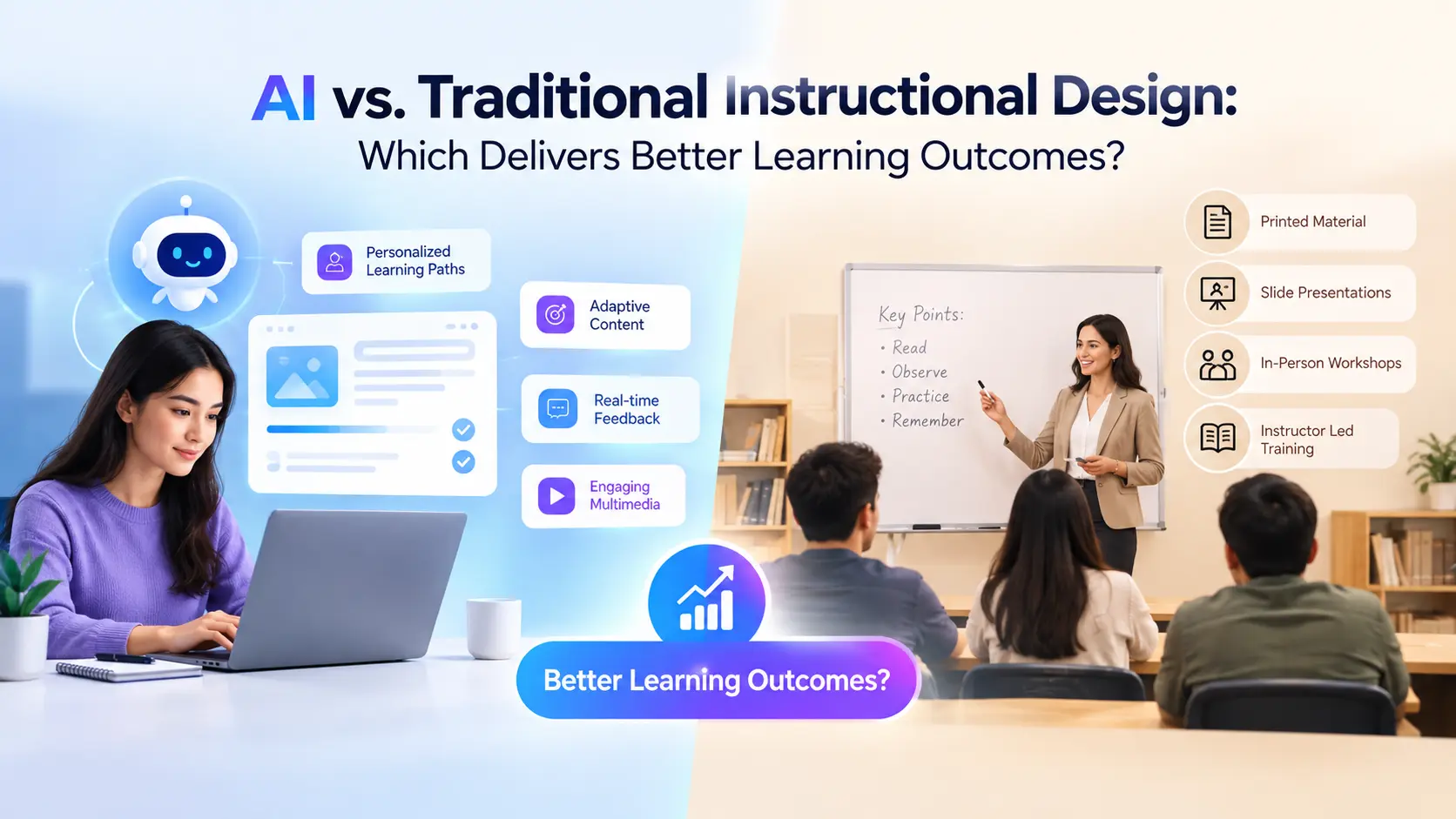
AI vs. Traditional Instructional Design: Which Delivers Better Learning Outcomes?
AI vs. traditional instructional design is not simply a choice between old and new. This guide compares both approaches across personalization, retention, scalability, development speed, soft skills, compliance, and learner engagement to explain how organizations can use AI and human-led instructional design together.
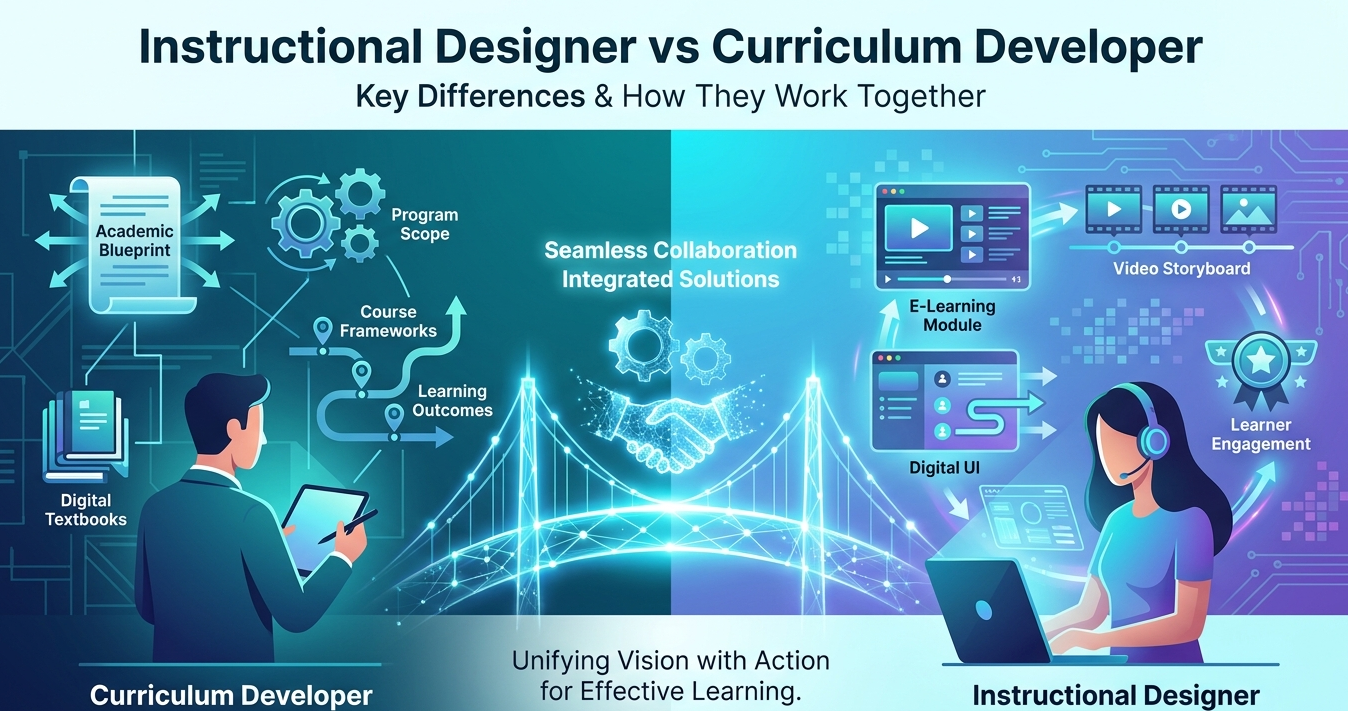
Instructional Designer vs Curriculum Developer: Key Differences and How They Work Together
This article explains the difference between instructional designers and curriculum developers and how the two roles work together to create effective learning programs. Curriculum developers focus on what learners need to learn, including learning objectives, curriculum structure, topics, and learning pathways. Instructional designers focus on how learners will learn through instructional strategies, activities, assessments, and engaging digital experiences. The article also explains how TheEduAssist combines curriculum development, instructional design, LMS development, and AI-assisted learning development to create structured and practical learning solutions.
Digital Marketing Curriculum on Skool: How to Build High Value
In-depth guide to Digital Marketing Curriculum on Skool: How to Build High Value. Outlines key principles, proven workflows, and implementation strategies for education businesses and enterprise training programs.
How to Turn a Video Creation Course Into a Handbook: Instructional Design Guide for 2026
In-depth guide to How to Turn a Video Creation Course Into a Handbook: Instructional Design Guide for 2026. Outlines key principles, proven workflows, and implementation strategies for education businesses and enterprise training programs.
Hybrid Yoga Teacher Training System for Better Learning Outcomes
In-depth guide to Hybrid Yoga Teacher Training System for Better Learning Outcomes. Outlines key principles, proven workflows, and implementation strategies for education businesses and enterprise training programs.
Instructional Design Checklist: Make Your Online Courses More Engaging
In-depth guide to Instructional Design Checklist: Make Your Online Courses More Engaging. Outlines key principles, proven workflows, and implementation strategies for education businesses and enterprise training programs.
Designing Leadership Training That Drives Real Change
In-depth guide to Instructional Design for Leadership Training Programs in New York. Outlines key principles, proven workflows, and implementation strategies for education businesses and enterprise training programs.
In-depth guide to Instructional Design Services for Custom eLearning Development & Better Learning Outcomes. Outlines key principles, proven workflows, and implementation strategies for education businesses and enterprise training programs.
Ultimate Guide to Curriculum Design for Supply Chain Courses
In-depth guide to Ultimate Guide to Curriculum Design for Supply Chain Courses. Outlines key principles, proven workflows, and implementation strategies for education businesses and enterprise training programs.
Ultimate Guide to Developing an eLearning Curriculum in Victoria
In-depth guide to Ultimate Guide to Developing an eLearning Curriculum in Victoria. Outlines key principles, proven workflows, and implementation strategies for education businesses and enterprise training programs.
What Are Terminal Learning Objectives? A Practical Guide for Training 2026
In-depth guide to What Are Terminal Learning Objectives? A Practical Guide for Training 2026. Outlines key principles, proven workflows, and implementation strategies for education businesses and enterprise training programs.
Do AR and VR Improve Learning? The Corporate ROI Reality
Comprehensive guide to Can AR and VR Really Improve Learning Outcomes?. This article details practical frameworks, key best practices, and actionable execution strategies for modern online learning organizations and course creators.
Instructional Designer vs Developer: The Best Choice for Your Course
Comprehensive guide to Instructional Designer vs Developer: The Best Choice for Your Course. This article details practical frameworks, key best practices, and actionable execution strategies for modern online learning organizations and course creators.
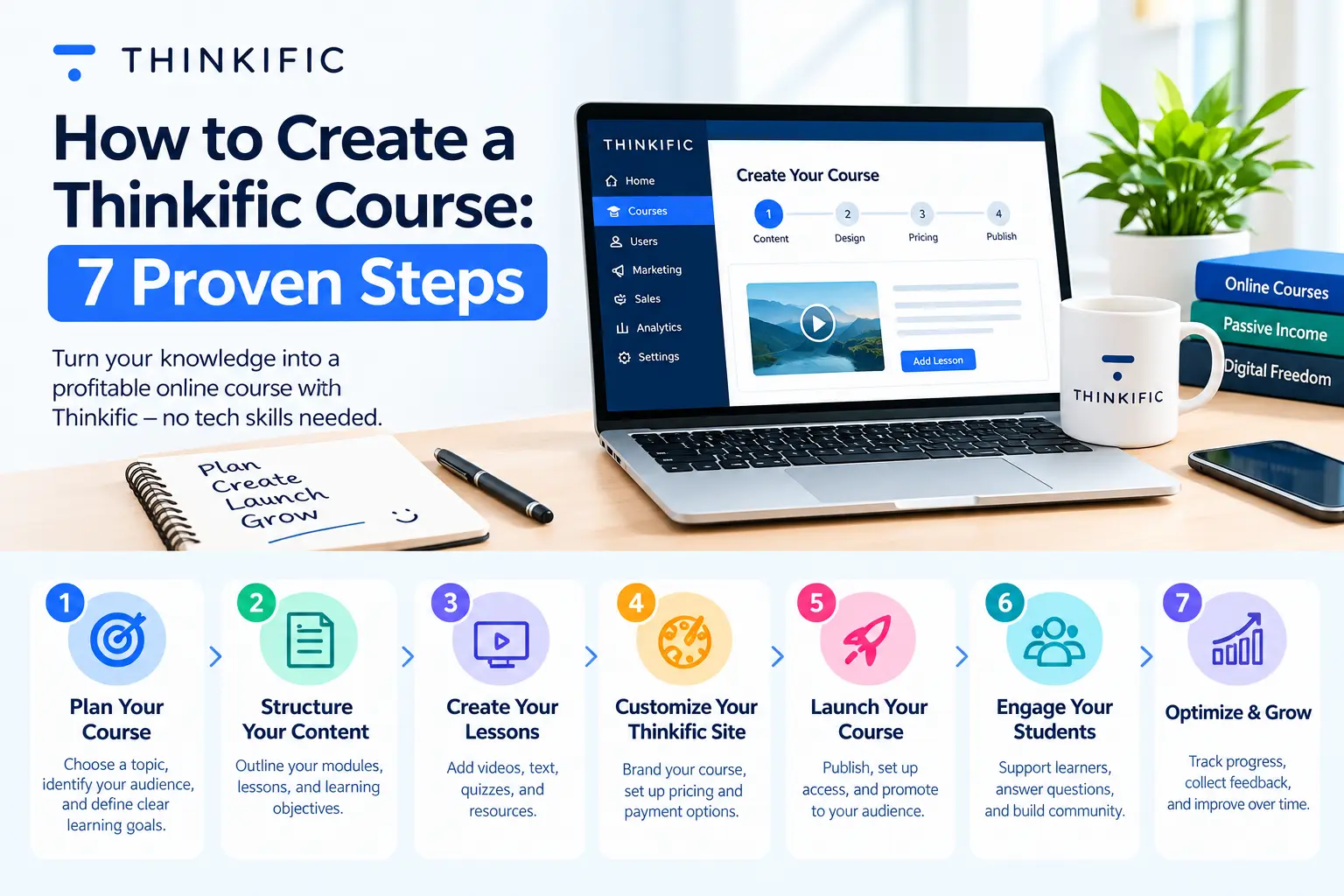
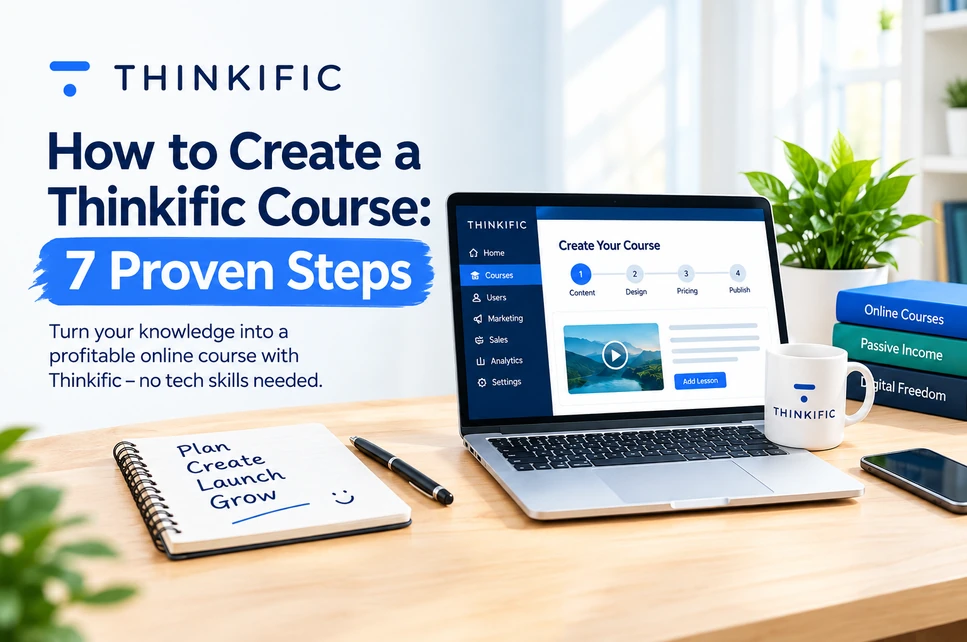
Learn how to create high-performing Thinkific courses using instructional design, microlearning, interactive activities, sales funnels, accessibility practices, marketing strategies, and analytics. This guide explains how course creators, educators, instructional designers, and L&D teams can turn basic content into structured and engaging learning experiences.
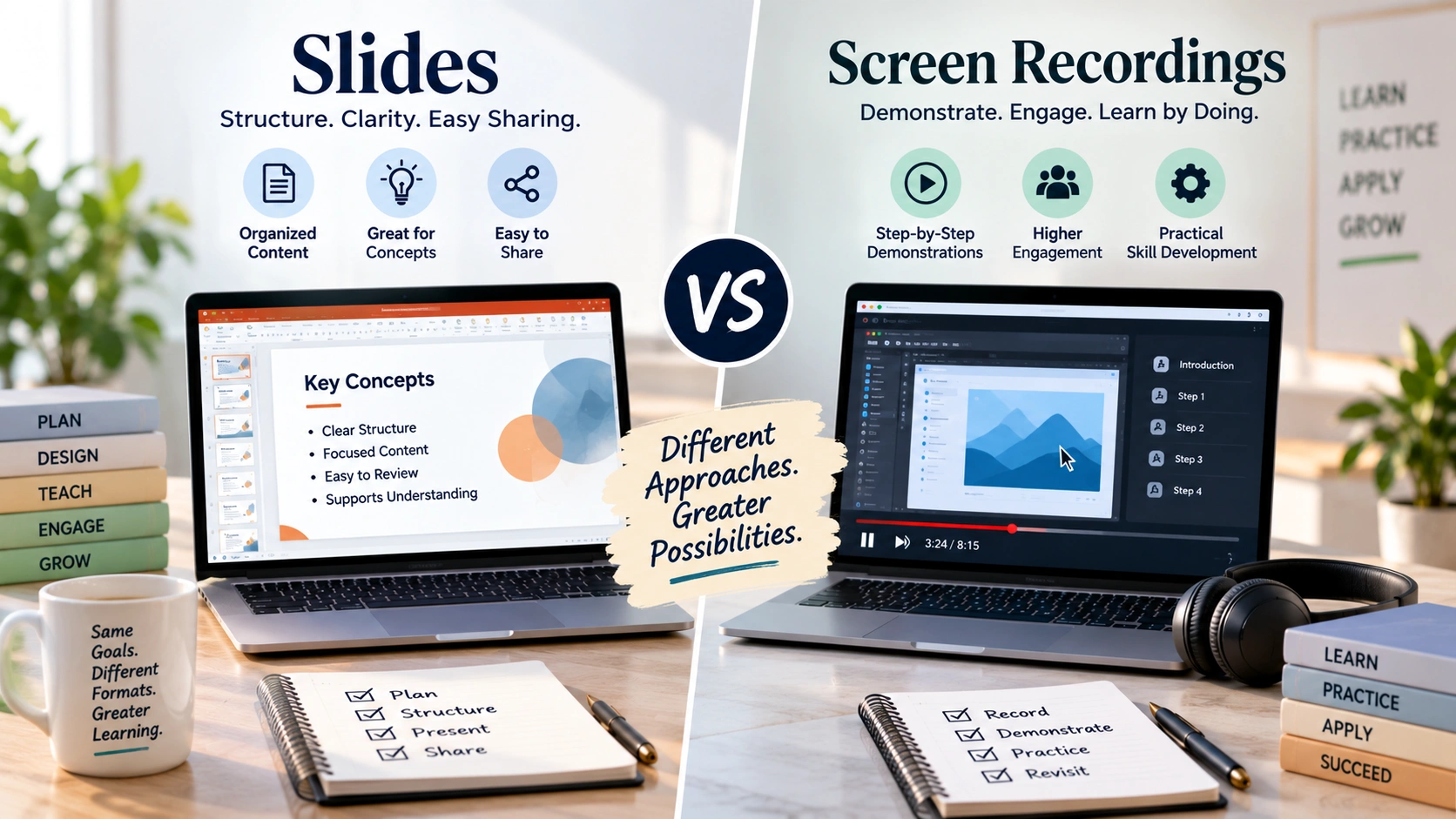
Which Is Better for Effective Learning: Slides or Screen Recordings?
This article compares slides and screen recordings for effective learning, drawing on multimedia learning research and instructional design principles. It explains how content type, learner needs, cognitive load, engagement, accessibility, and design quality influence outcomes. Rather than identifying one universally superior format, the article recommends selecting or combining formats based on learning objectives and learner needs.
Strong Best Microlearning Platforms for Professionals in the US
This guide explores microlearning platforms for US professionals, comparing options based on content delivery, mobile learning, analytics, pricing, scalability, gamification, personalization, and enterprise needs. It covers EdApp, 7taps, Qstream, OttoLearn, Gnowbe, and additional platforms, along with implementation tips, persona-specific strategies, FAQs, and research-backed insights.
How to create High-Converting Digital marketing workshops on Skool (2026 Guide)
This guide explains how creators can build high-converting digital marketing workshops on Skool that attract the right audience, deliver useful training, build trust, and generate course sales. It covers defining workshop goals, selecting high-demand topics, applying instructional design, structuring sessions, using tools such as Skool and Zoom, increasing engagement, converting attendees into customers, repurposing workshop content, and promoting workshops through SEO and social platforms. It also highlights key 2026 eLearning trends such as community-based learning, AI-powered content, short sessions, and personalized learning.
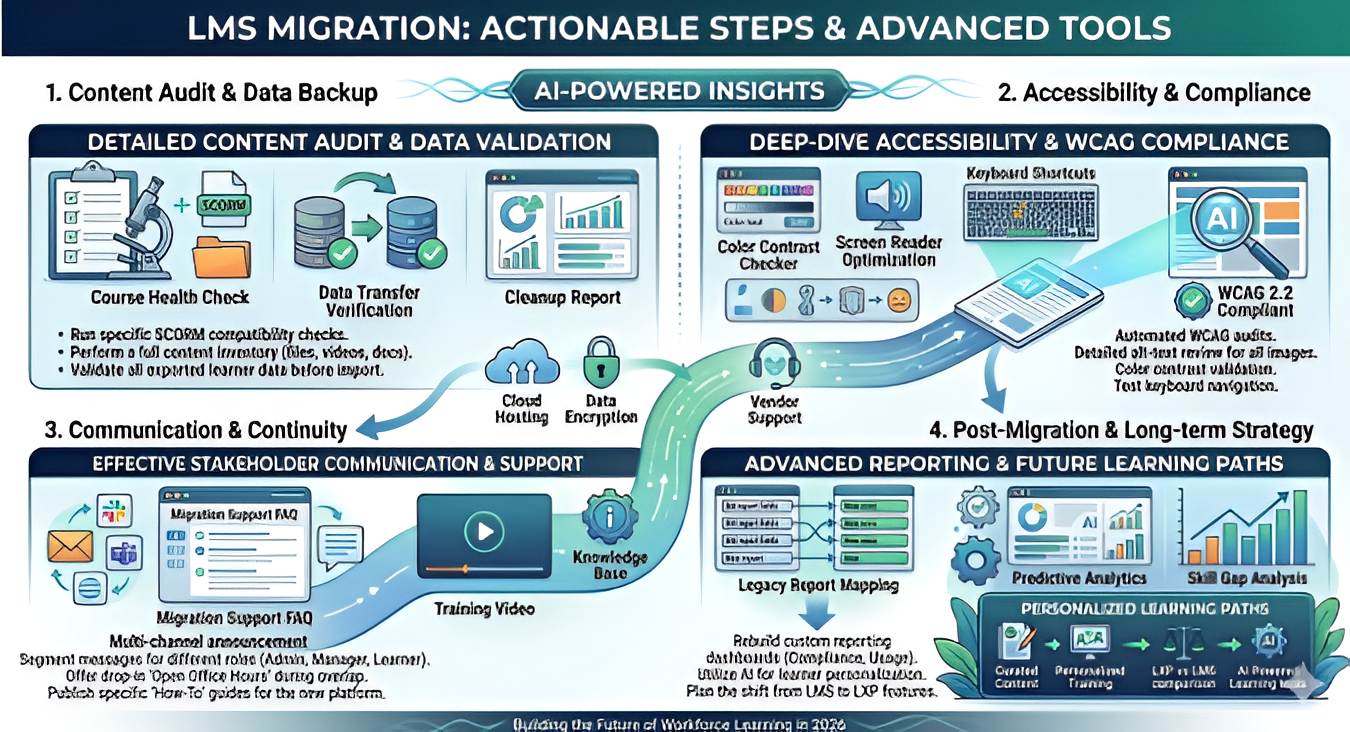
LMS Integration: How to Connect HRIS, CRM, Slack & Teams
This article explains how instructional design addresses real challenges learners face in modern education and professional training. It explores the role of instructional designers, common learning problems, the impact of poor learning design, and practical strategies for improving learner engagement, understanding, retention, and application. The article also discusses instructional design models, the importance of learner-centered approaches, the future of learning, and how TheEduAssist supports organizations in creating effective and scalable learning experiences.
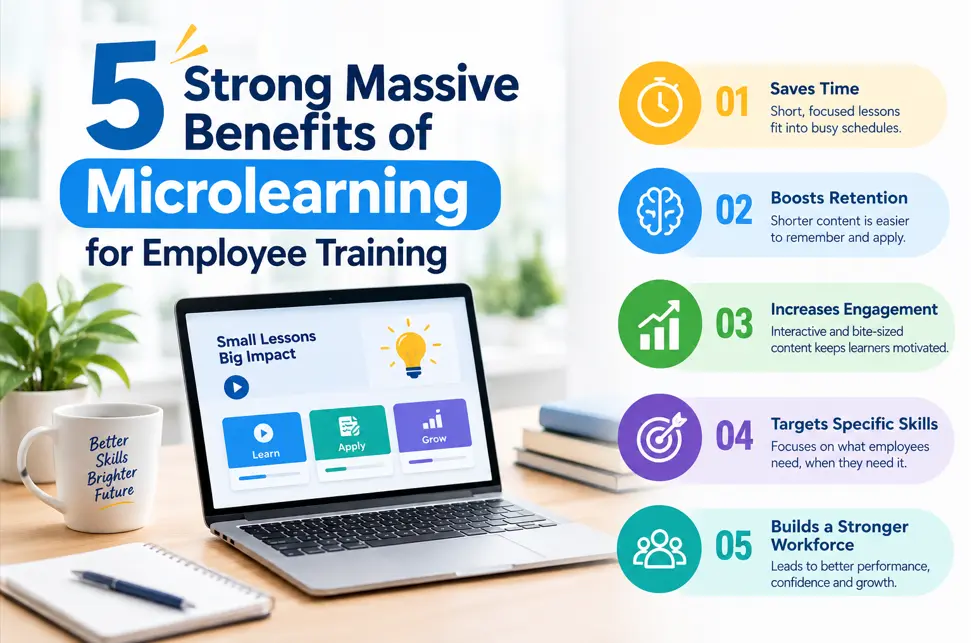
5 Strong Massive Benefits of Microlearning for Employee Training
This article explains five key benefits of microlearning for employee training. These include higher engagement and completion rates. They also include better knowledge retention and transfer. Microlearning supports learning in the flow of work. It also enables faster and more flexible content development. Finally, it aligns better with business results and ROI. It also explains practical microlearning strategies for instructional designers, L&D professionals, trainers, course creators, and training organizations.
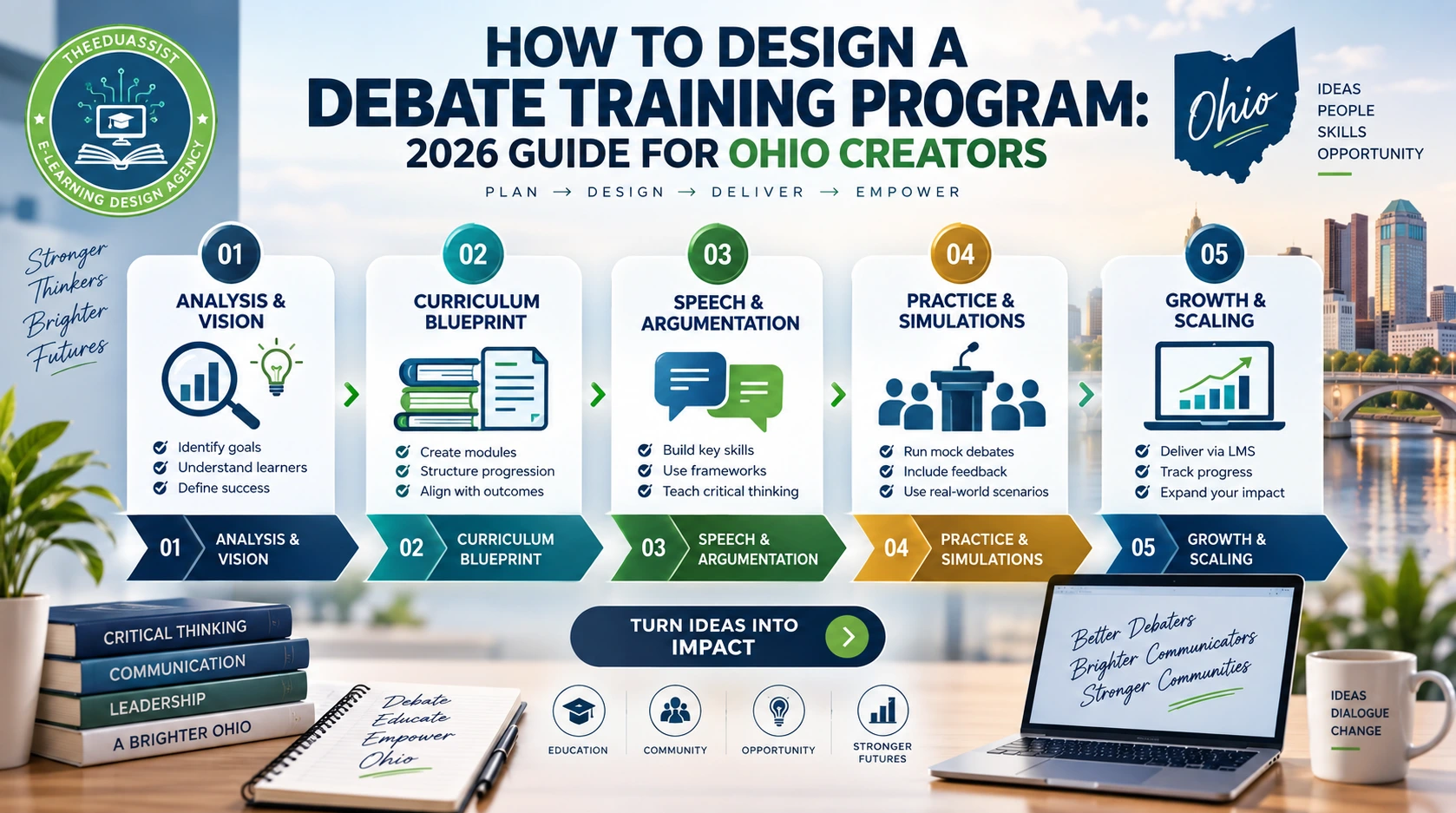
The Ultimate, Ohio Focused Blueprint for Building a Debate Training Program
This guide explains how to build a structured and scalable debate training program for educators, academies, coaches, and course creators in Ohio. It covers defining measurable learning outcomes, developing a progressive debate curriculum, using the Claim–Evidence–Reasoning model, incorporating mock debates and peer feedback, applying microlearning, and delivering training through an LMS. The approach is designed to develop critical thinking, communication, research, collaboration, and analytical skills while creating a measurable and repeatable learning experience.
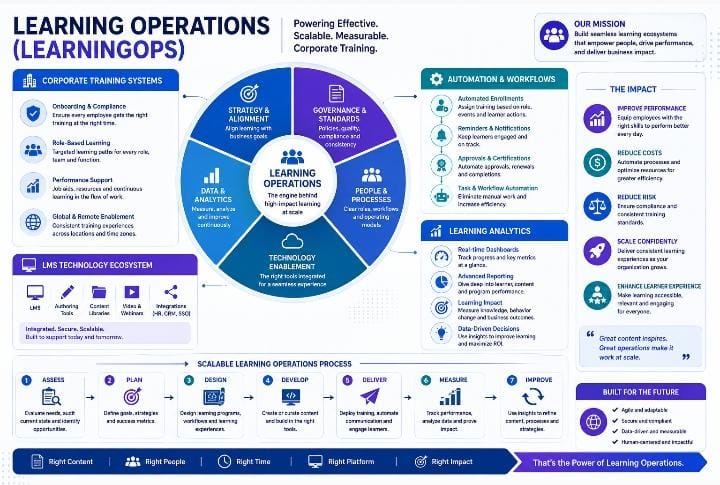
Learning Operations (LearningOps): The Complete Guide to Scaling Corporate Training
This guide explains Learning Operations (LearningOps) and its role in scaling corporate training. It covers the five core pillars of LearningOps: governance and standards, technology and tools, content lifecycle management, data and analytics, and people and process. The article also explains how organizations can build a LearningOps strategy, manage their technology stack, automate training workflows, measure training impact, and address common challenges in corporate learning.
Profitable and Thrilling STAAD Course with Instructional Design
This article presents a practical, engaging STAAD.Pro course that combines structural engineering skills with instructional design, microlearning, simulations, and gamification. It targets engineers, trainers, and educators. It also supports L&D managers and course creators. It helps them build real-world STAAD skills. It improves learning outcomes. It creates career and business opportunities.
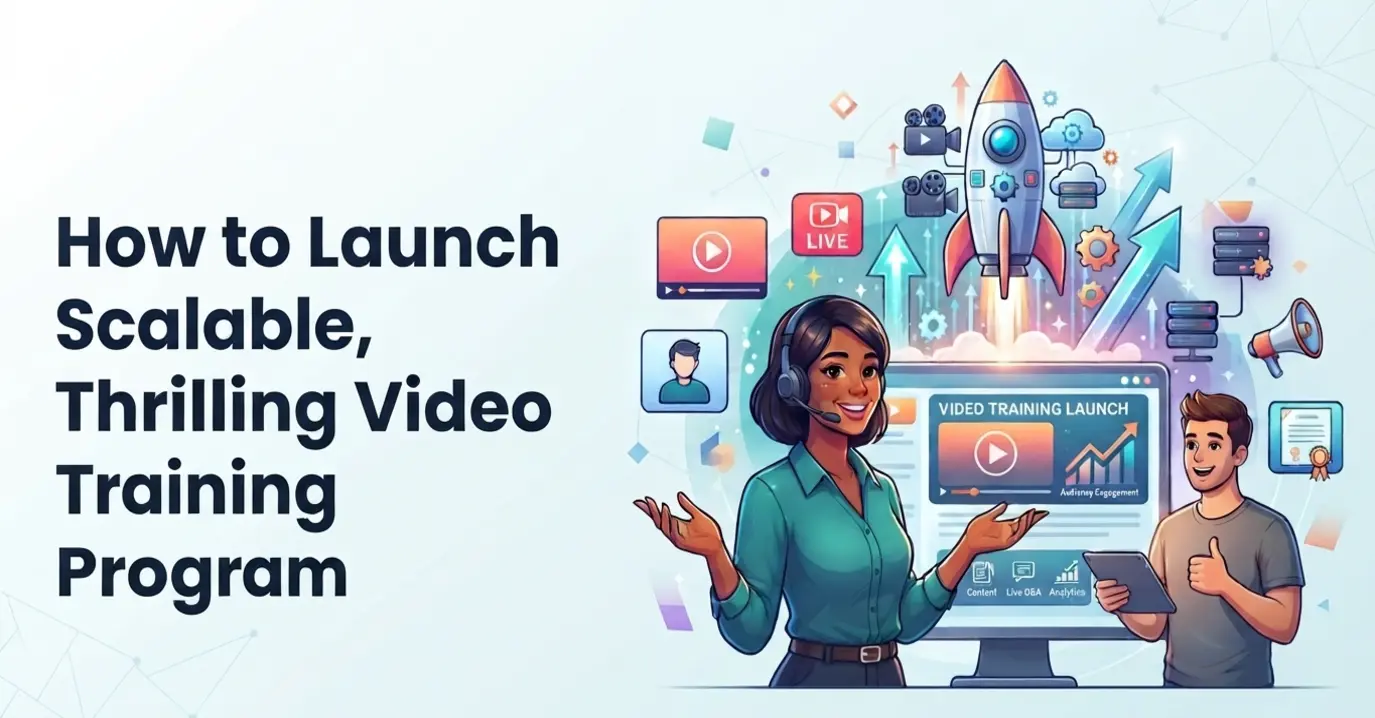
How to Launch Scalable, Thrilling Video Training Program
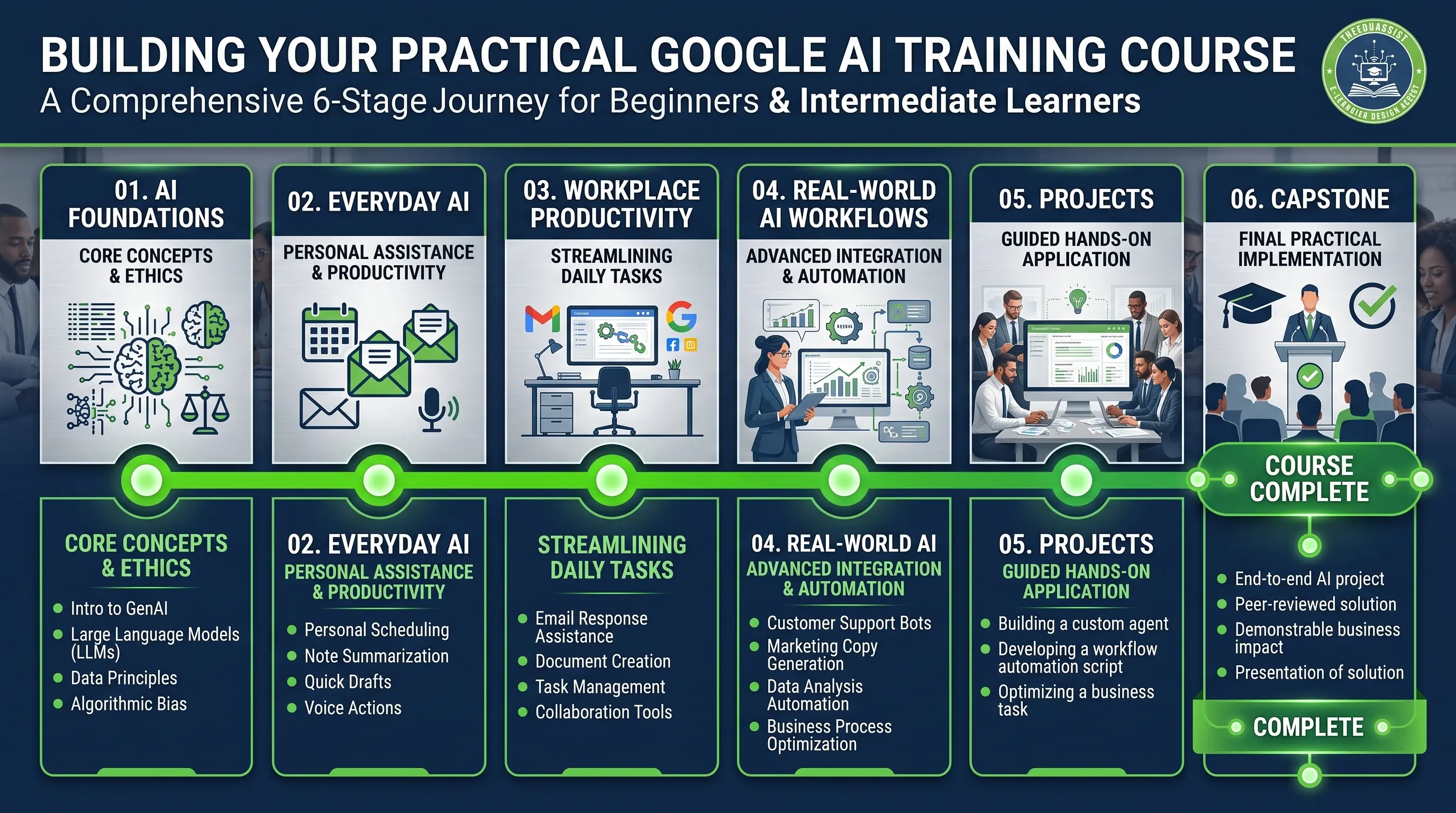
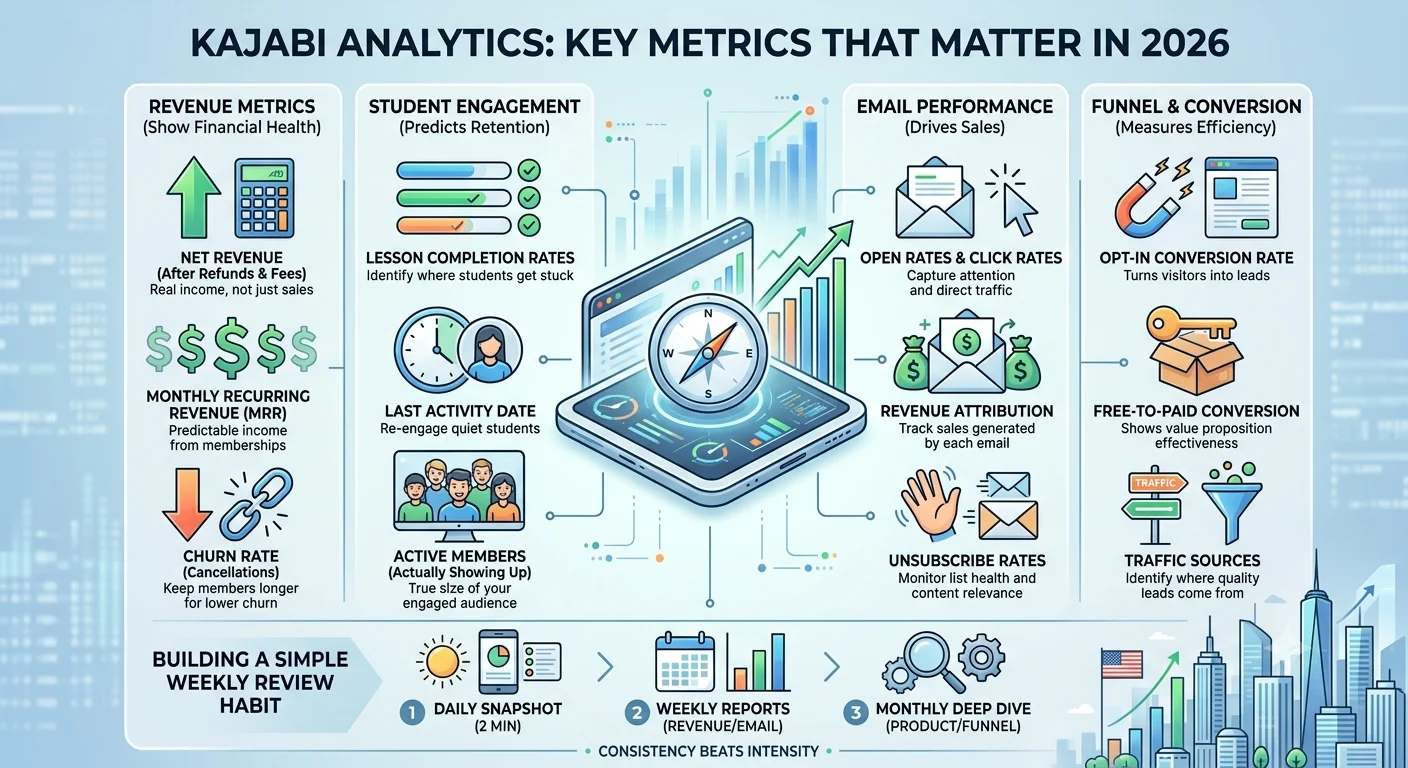
This article explains how to launch a scalable and engaging video training program using proven instructional design strategies. It covers structuring content, improving learner engagement, and using platforms such as Kajabi and Skool to create effective training experiences that can grow with your audience.
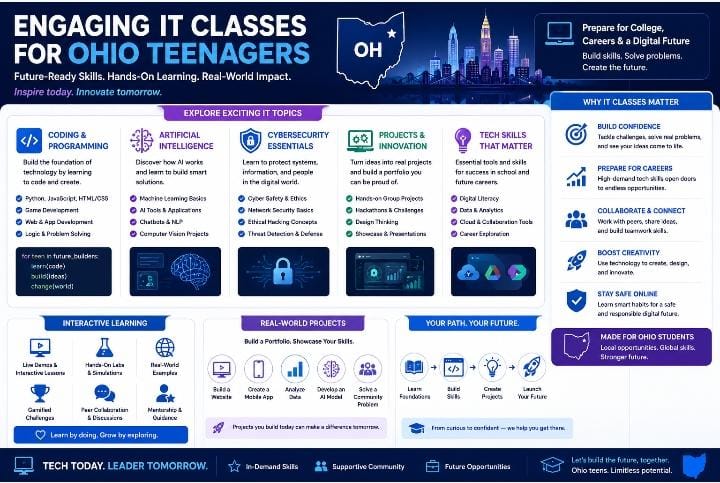
The Complete Guide to Creating Engaging IT Classes for Ohio Teenagers
This guide explains how schools, academies, and course creators can develop engaging IT classes for Ohio teenagers. It covers skills-first curriculum design, project-based learning, interactive lessons, career awareness, supportive delivery teams, LMS platforms, program costs, and ways to build students’ confidence alongside technical skills.
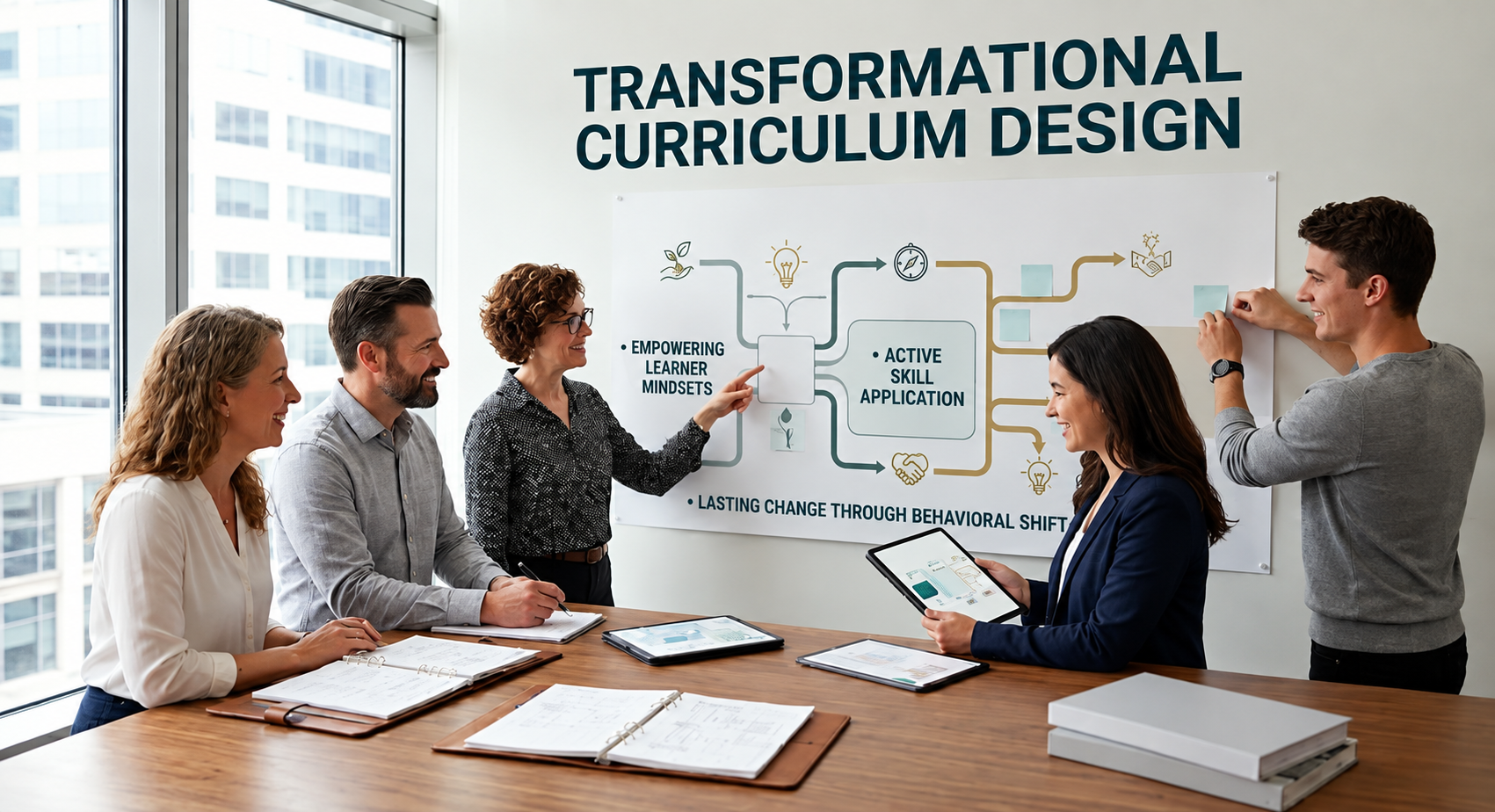
How to build a transformational curriculum that actually works ( step-by-step)
Transformational curriculum design focuses on helping learners change their mindset, emotions, and behavior rather than simply consuming information. This guide explains how to create learner-centered programs using clear outcomes, action-based learning, emotional engagement, repetition, non-linear modules, activations, community support, and short focused lessons.
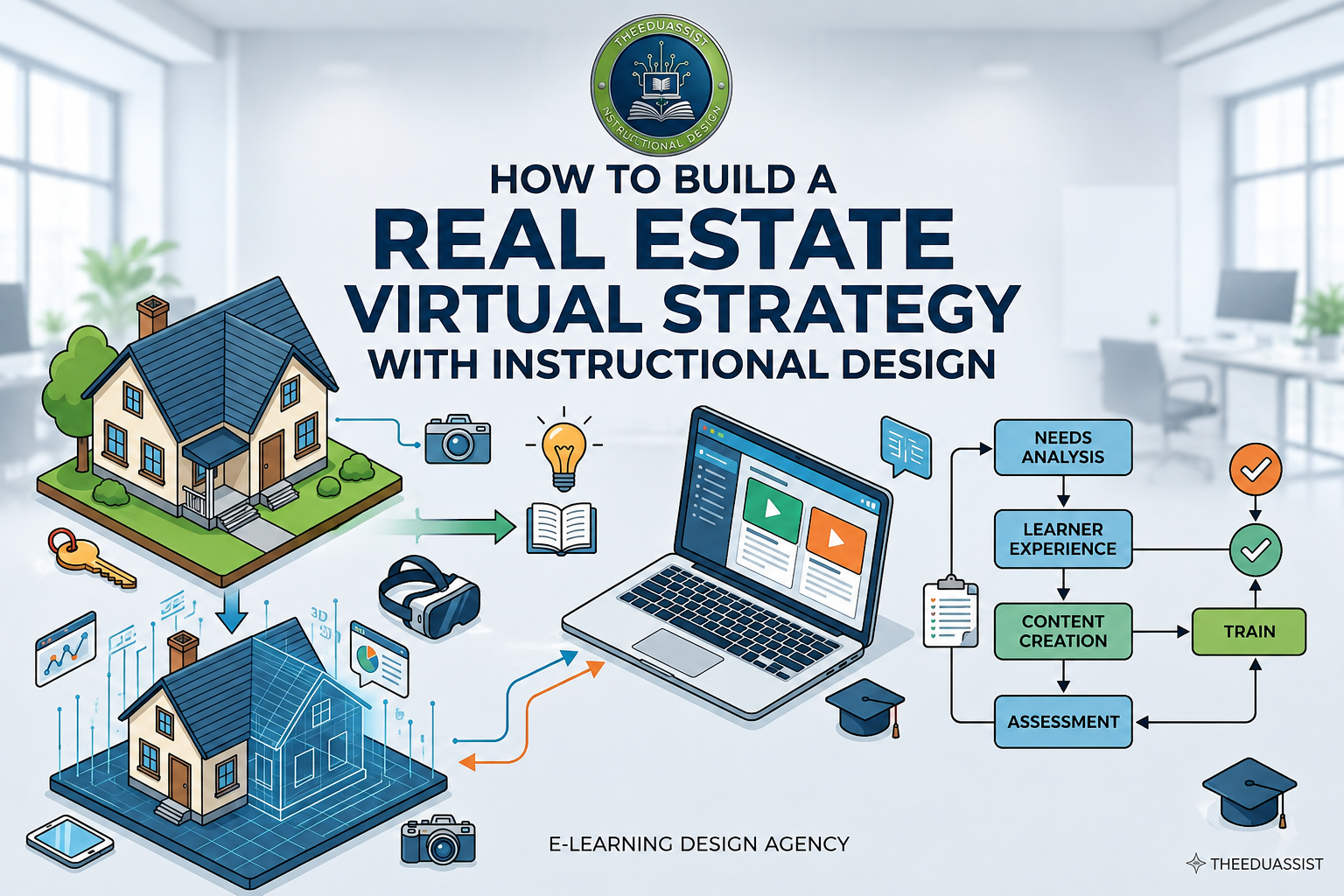
How to Build a Real Estate Virtual Strategy with Instructional Design?
This guide explains how to build a real estate virtual strategy using instructional design principles. It covers VR and AR experiences, micro-learning, scenario-based simulations, asynchronous social learning, ADDIE, embedded assessments, analytics, and continuous improvement. The framework helps real estate organizations transform virtual tools into structured learning and performance solutions for buyers, investors, agents, and students.
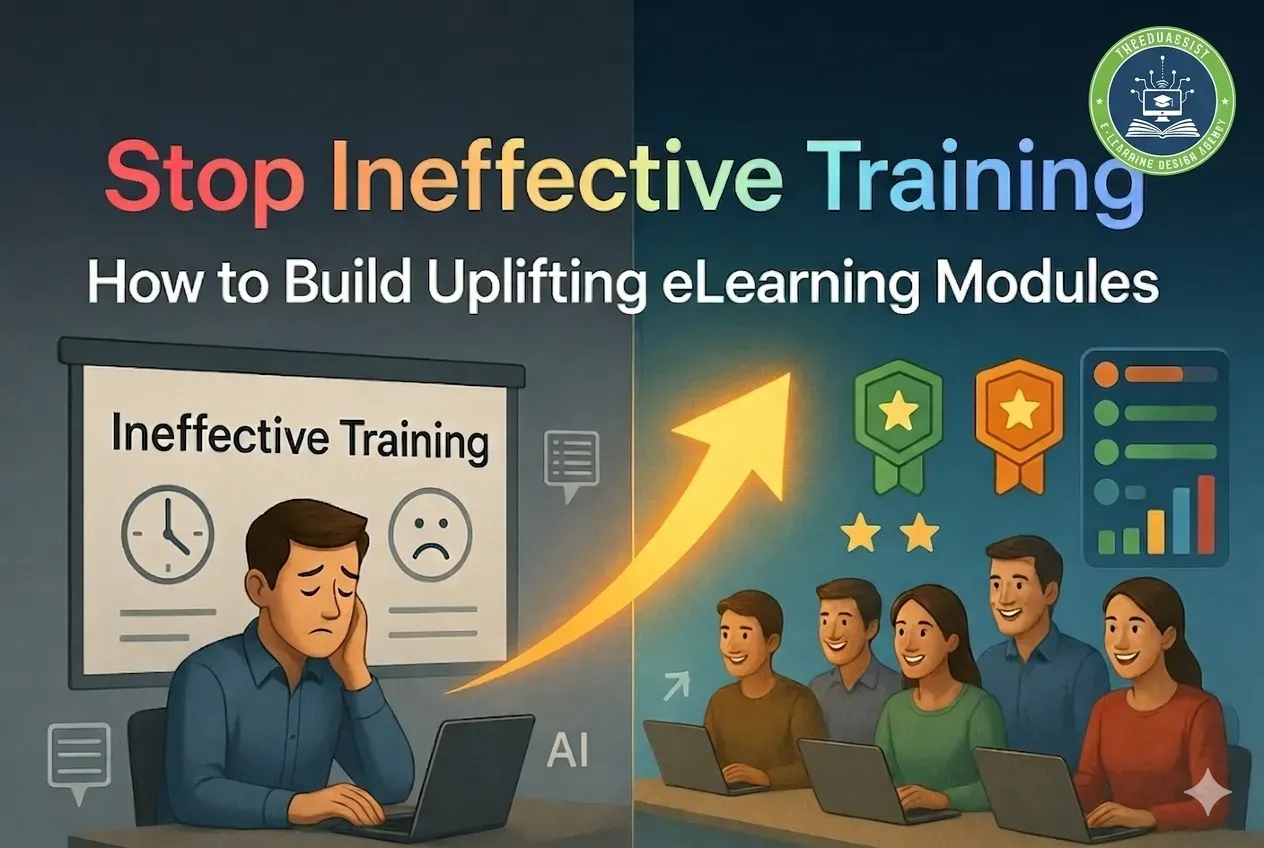
Stop Ineffective Training: How to Build Uplifting eLearning Modules?
This guide explains how to build uplifting eLearning modules using evidence-based instructional design, Mayer’s multimedia principles, Gagné’s events, microlearning, gamification, AI personalization, accessibility, assessments, and learning analytics. It provides a practical seven-step process for creating engaging and measurable learning experiences.
E-Learning Videos for Students & Teachers who Actually Love
This guide explains how students and teachers can use eLearning videos to create engaging, research-informed learning experiences. It covers effective video formats, cognitive-load management, microlearning, interactivity, accessibility, research-based content creation, video assignments, flipped classrooms, and practical publishing strategies.
Build a thrilling Leadership Training System That Actually delighted
This guide explains how to build a modern leadership training system using ADDIE, SAM, 70-20-10, AI coaching, immersive simulations, gamification, and Kirkpatrick evaluation. It covers needs analysis, course design, technology, implementation, ROI measurement, scalability, and future leadership skills for 2026 - 2027.
This guide explains how to build scalable digital products in 2026, from defining learning outcomes and designing a curriculum to choosing platforms, creating sales funnels, selecting profitable niches, and marketing products through SEO, email, YouTube, and partnerships.
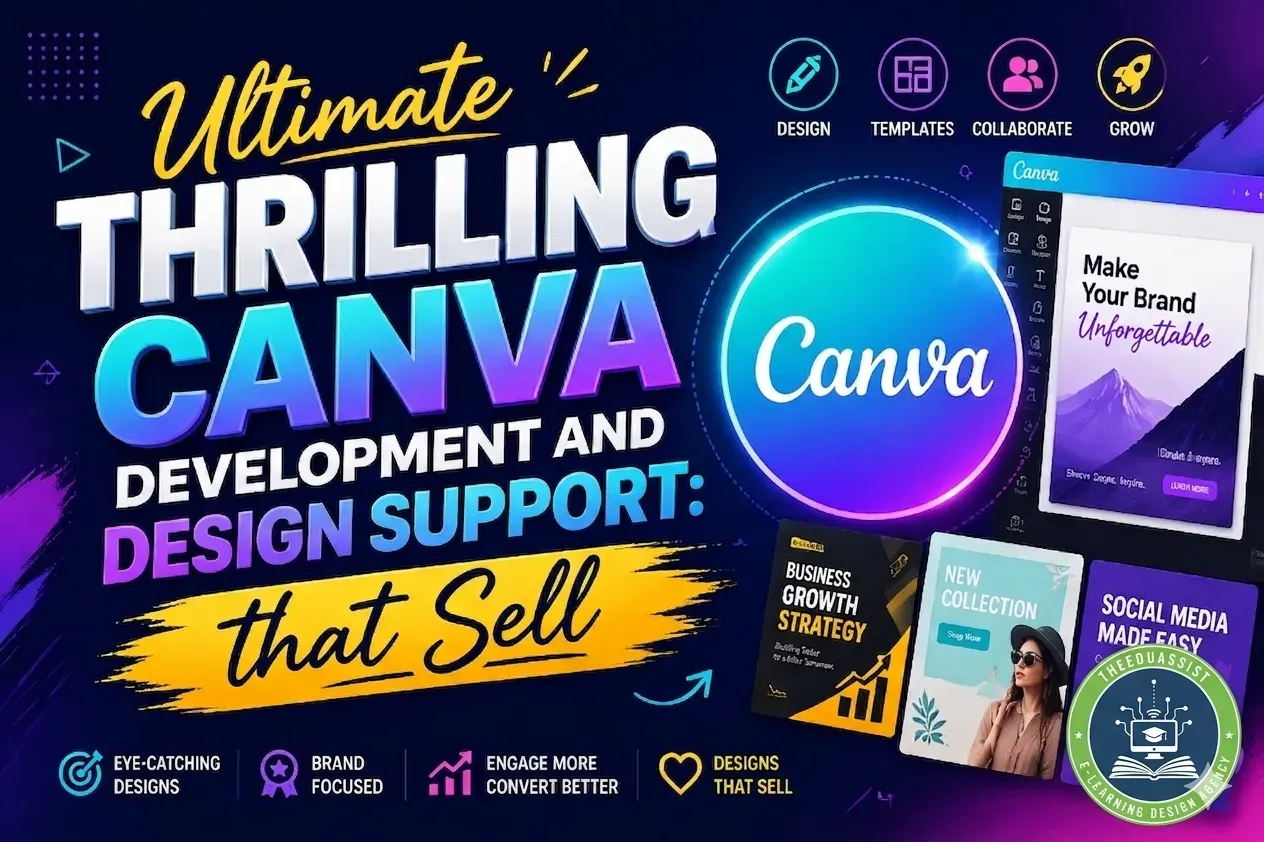
Ultimate Canva Development and Design Support: that Sell
This guide explores how Canva Development and Design supports modern education, eLearning, and corporate L&D. It covers Canva’s visual design features, collaboration tools, multimedia capabilities, accessibility, AI-powered innovations, instructional design principles, practical applications, best practices, and ethical considerations for creating engaging and effective learning content.
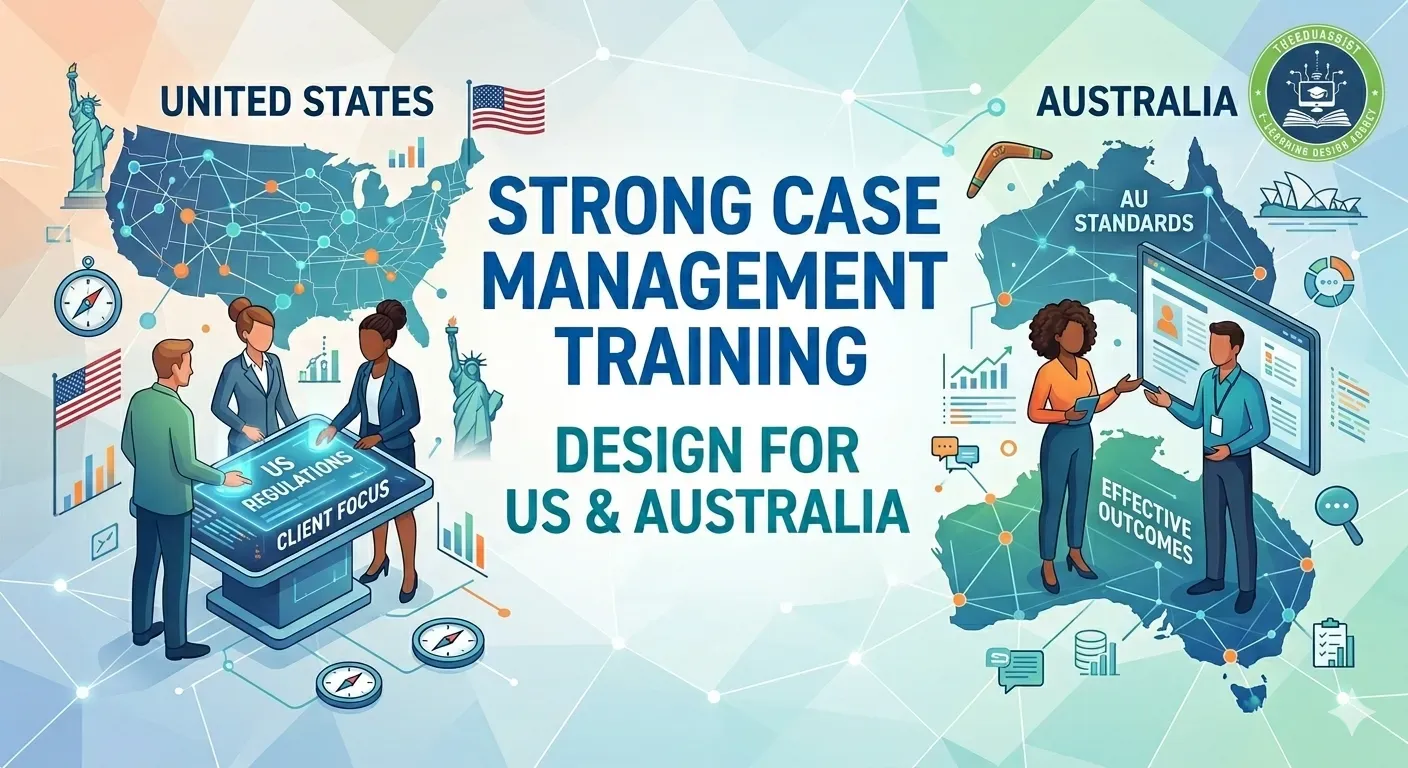
Want Strong Case Management Training?Use This Design for US,Australia
This guide presents a case management training framework for US and Australian healthcare, social services, and NDIS organizations. It explains how to use ADDIE, 70-20-10, simulations, regulatory training, LMS platforms, and Kirkpatrick evaluation to create scalable training programs.
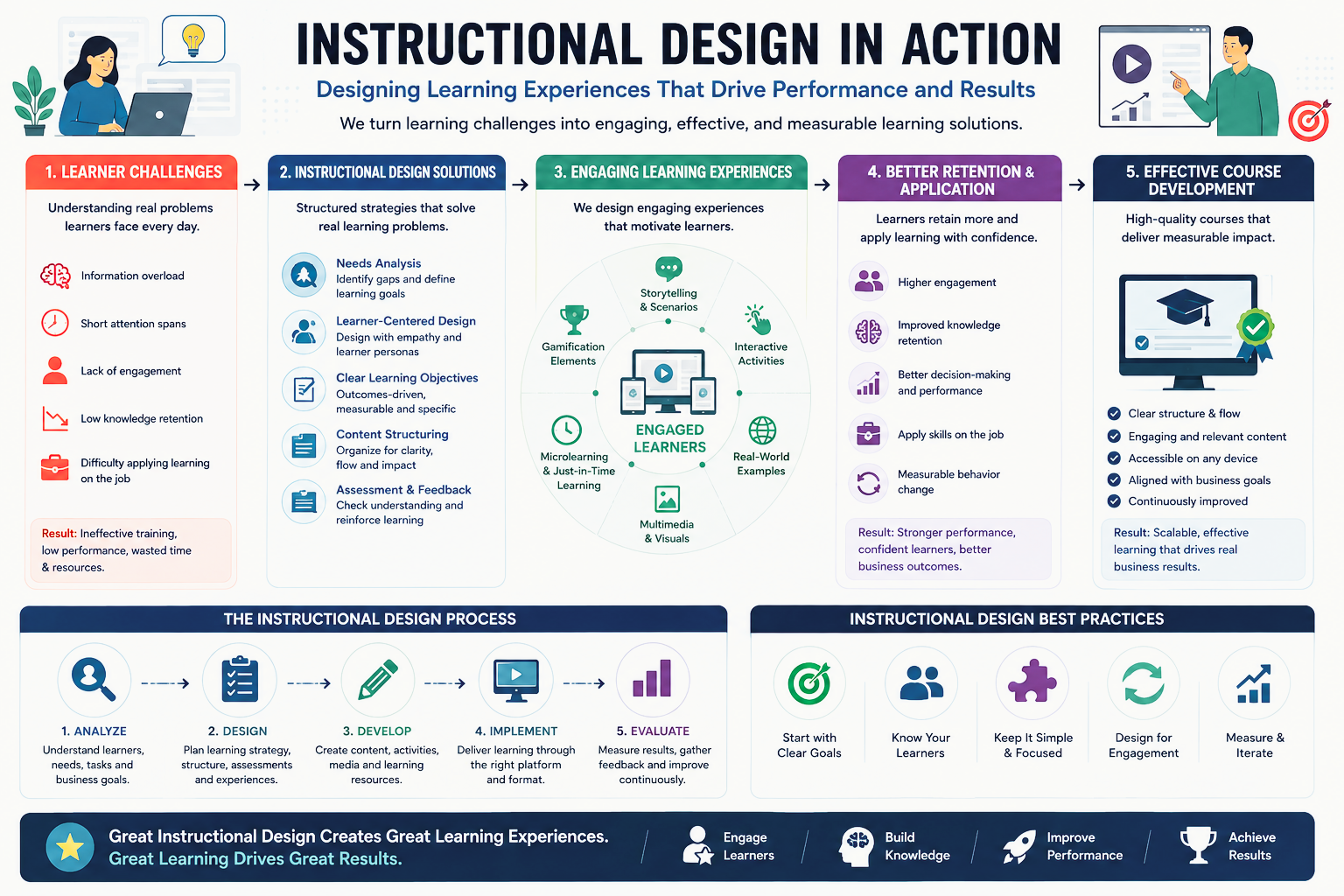
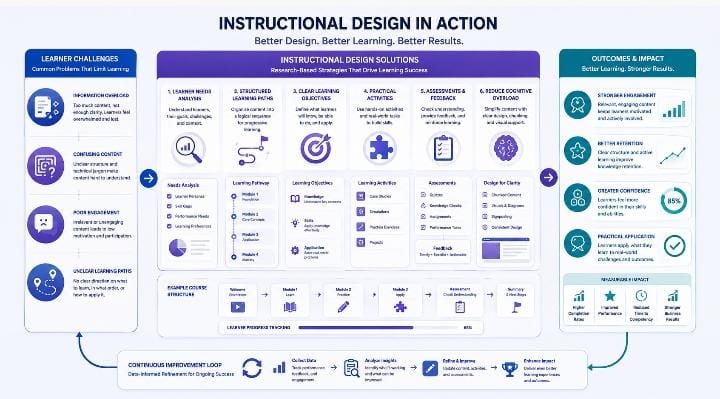
Instructional Design in Action: Practical Solutions for Learner Problems
This article explains what an instructional designer does and why instructional design is essential for effective learning. It explores common learner problems such as poor structure, information overload, lack of practical application, and unclear learning paths. The article explains how instructional designers assess learner needs, organize learning structures, create practical learning experiences, improve retention, and ensure technology supports rather than replaces good learning design. It also discusses the future of instructional design and TheEduAssist's learner-centered approach.
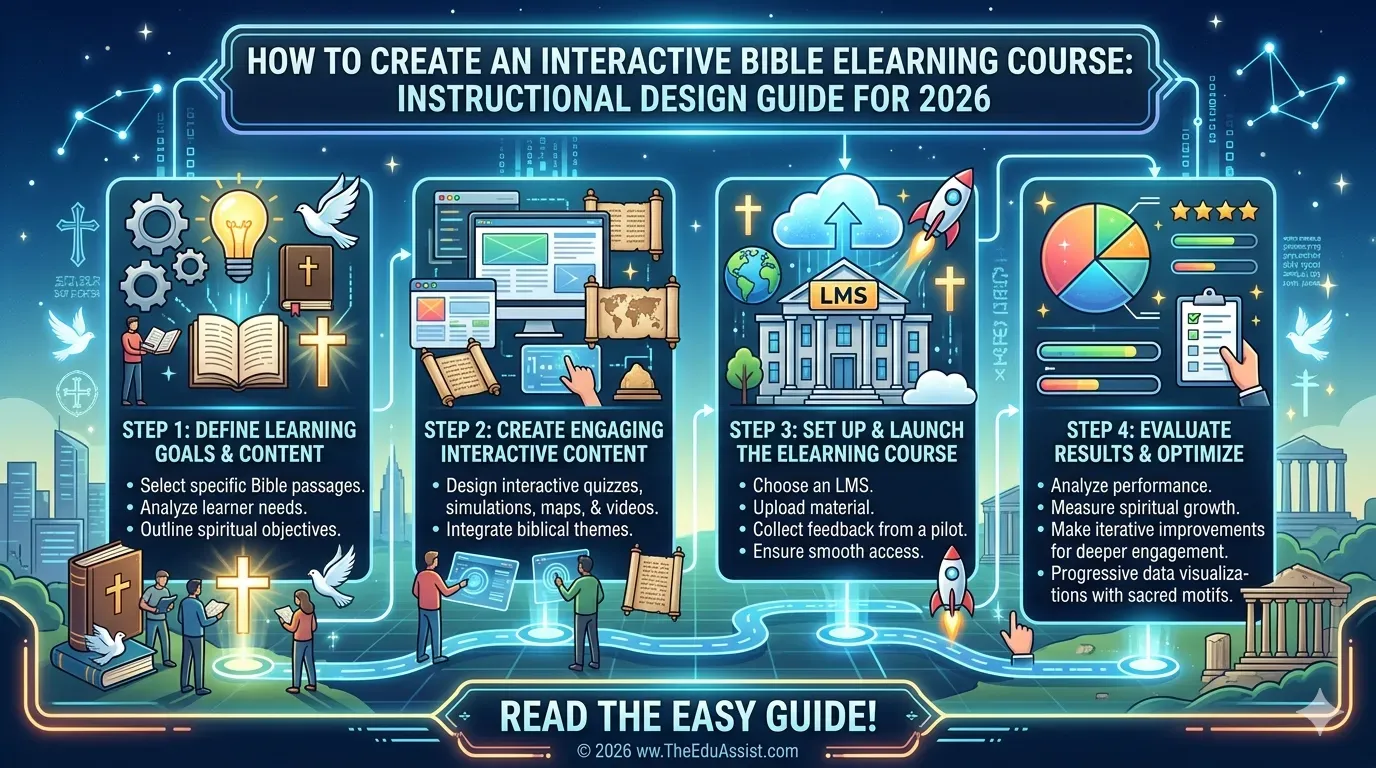
The Complete 2026 Guide to Designing an Interactive Bible eLearning Course
This guide explains how to design an interactive Bible eLearning course in 2026. It covers learning outcomes, thematic modules, interactive videos, discussions, scenario-based activities, LMS delivery, navigation, and course costs.
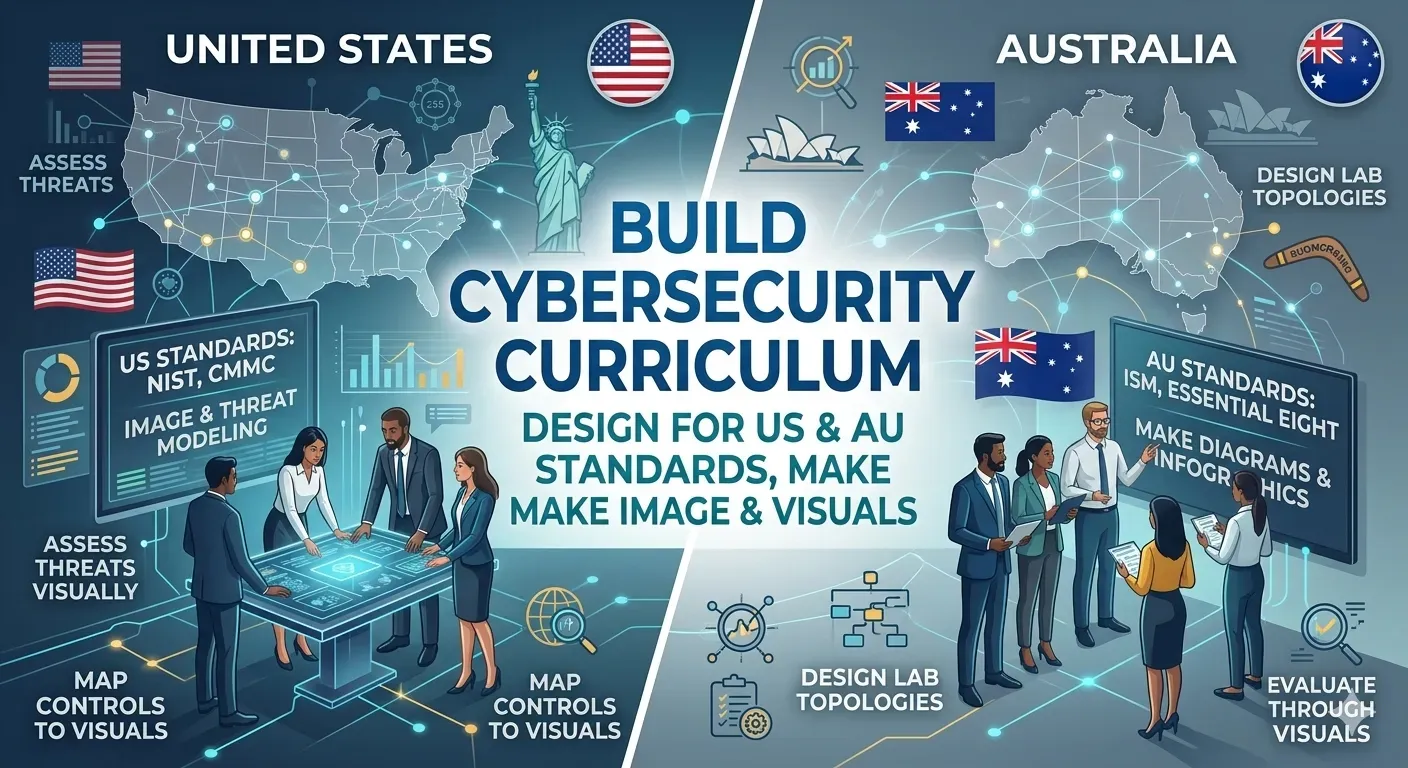
How to build Cybersecurity Curriculum Design Course:that actually encourage
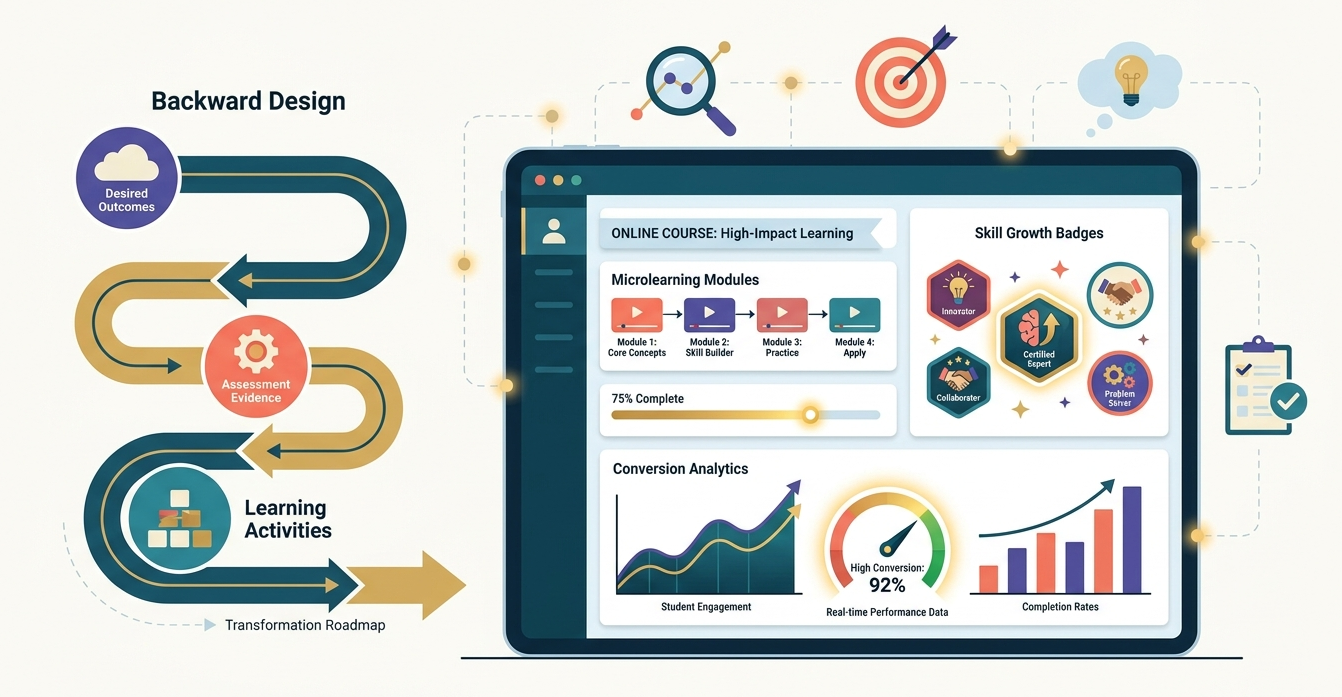
This guide explains how eLearning instructional designers can build effective cybersecurity curriculum using role-based learning, constructive alignment, ADDIE/SAM, backward design, cognitive load principles, UDL, scenario-based learning, micro-learning, performance-based assessment, and behavior-change strategies. It also covers tools, accessibility, collaboration with cybersecurity experts, and practical templates for creating engaging, standards-aligned cybersecurity training.
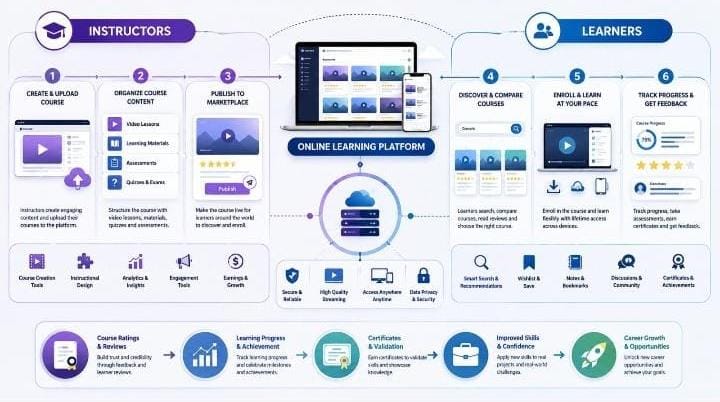
Udemy for Instructors: How Selling Courses Actually Works
Udemy is an online learning marketplace that connects instructors with learners through skill-based courses across business, technology, marketing, personal development, and other fields. This article explains how Udemy works for both instructors and learners, its role in professional learning, common challenges users face, and why course structure and instructional design matter. It also explains how TheEduAssist can support instructors and training providers in creating more organized, engaging, and learner-focused courses.
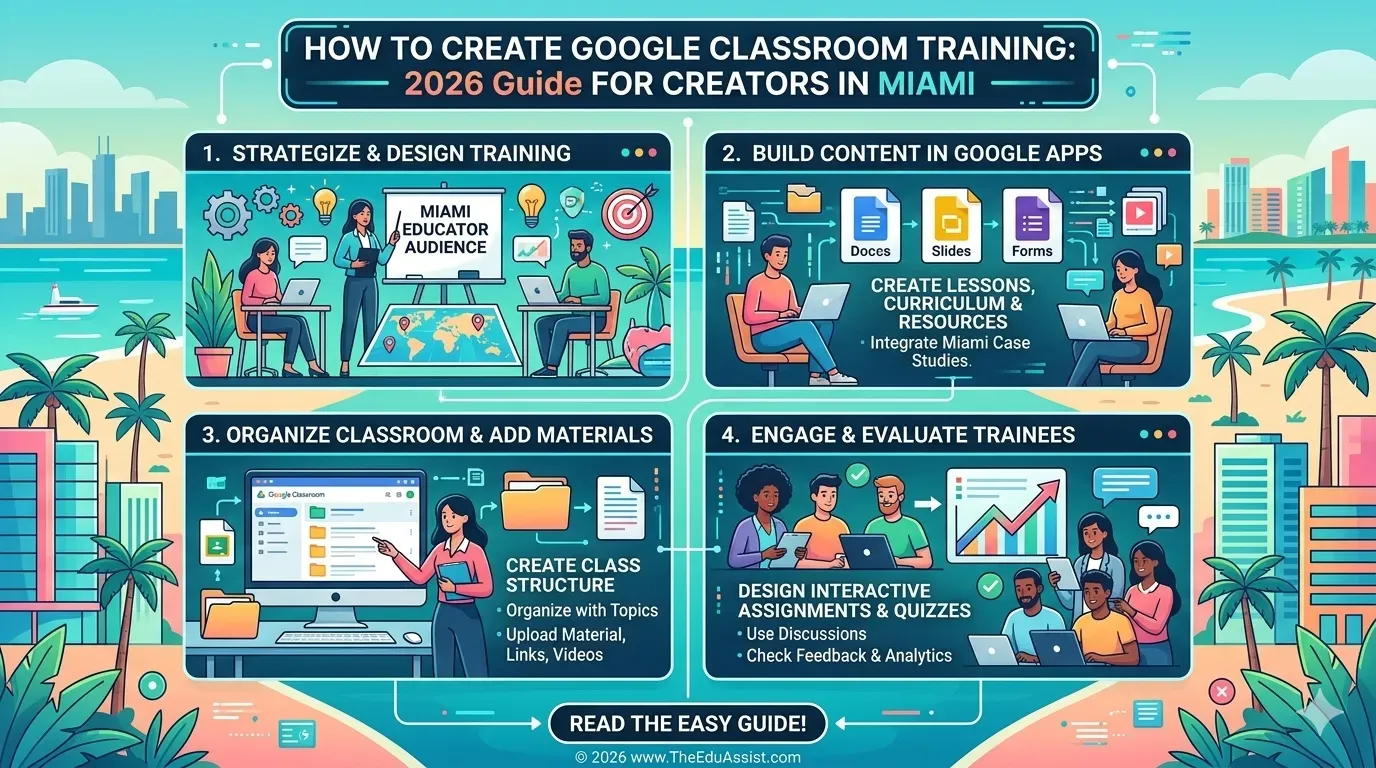
The Ultimate 2026 Guide for Building Google Classroom Training Programs in Miami
This 2026 guide explains how Miami businesses can build effective Google Classroom training programs from existing SOPs, videos, checklists, and process documents. It covers content audits, module creation, structured lessons, quizzes, interactive activities, learning paths, progress tracking, and scalable eLearning strategies.
How to Create Professional Training Guides with Microsoft 365
This guide explains how to create professional training guides with Microsoft 365. It covers setting clear learning goals, planning with Word Outline View, using plain language, adding visuals, creating reusable templates, turning guides into webinars, and sharing them through Teams and SharePoint.
Why Learners Skip Pop-Ups and How Better Design Changes That
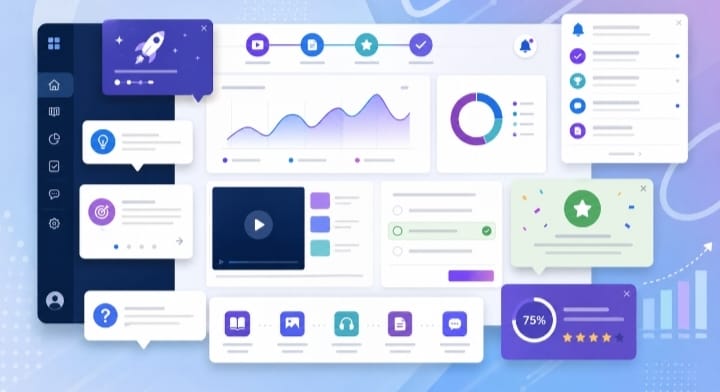
Pop ups are small but powerful elements that guide learners and users through digital experiences. This article explains the importance of pop up design and editing, common challenges, different types of pop ups, and how well-designed pop ups improve engagement, learning, and performance
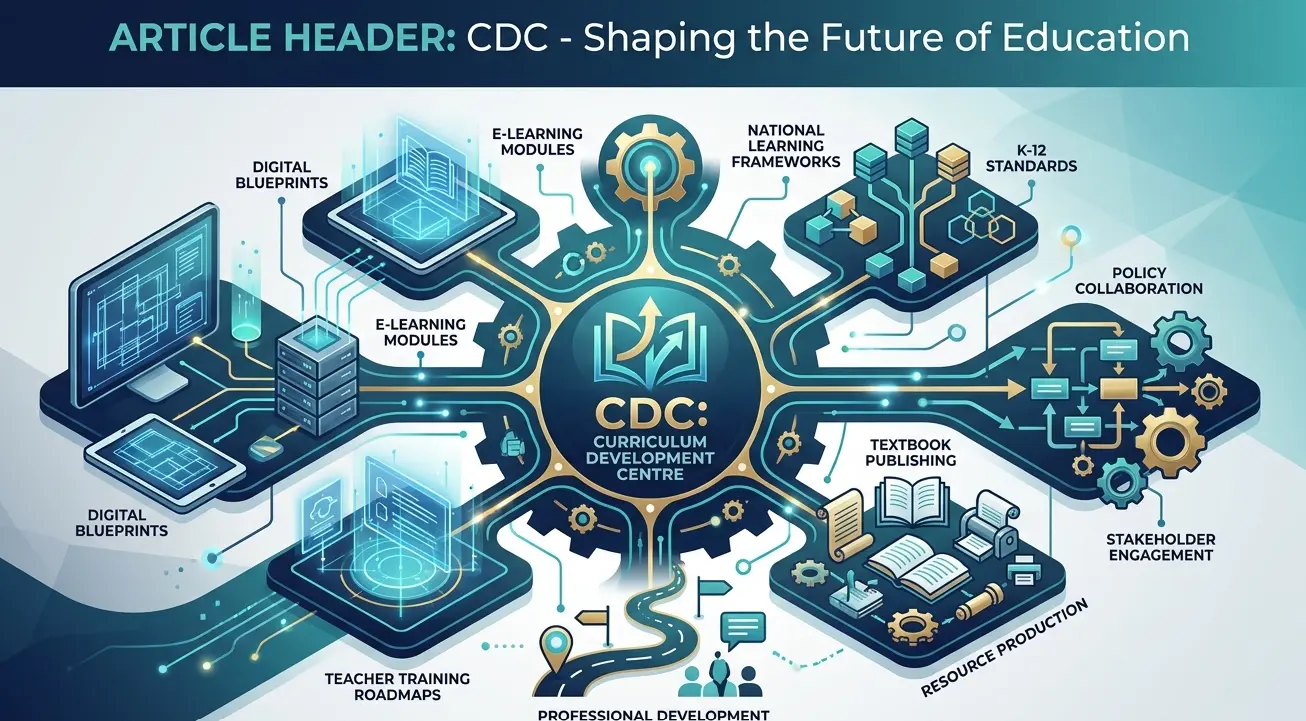
What Is a Curriculum Development Centre? A Complete Explanation
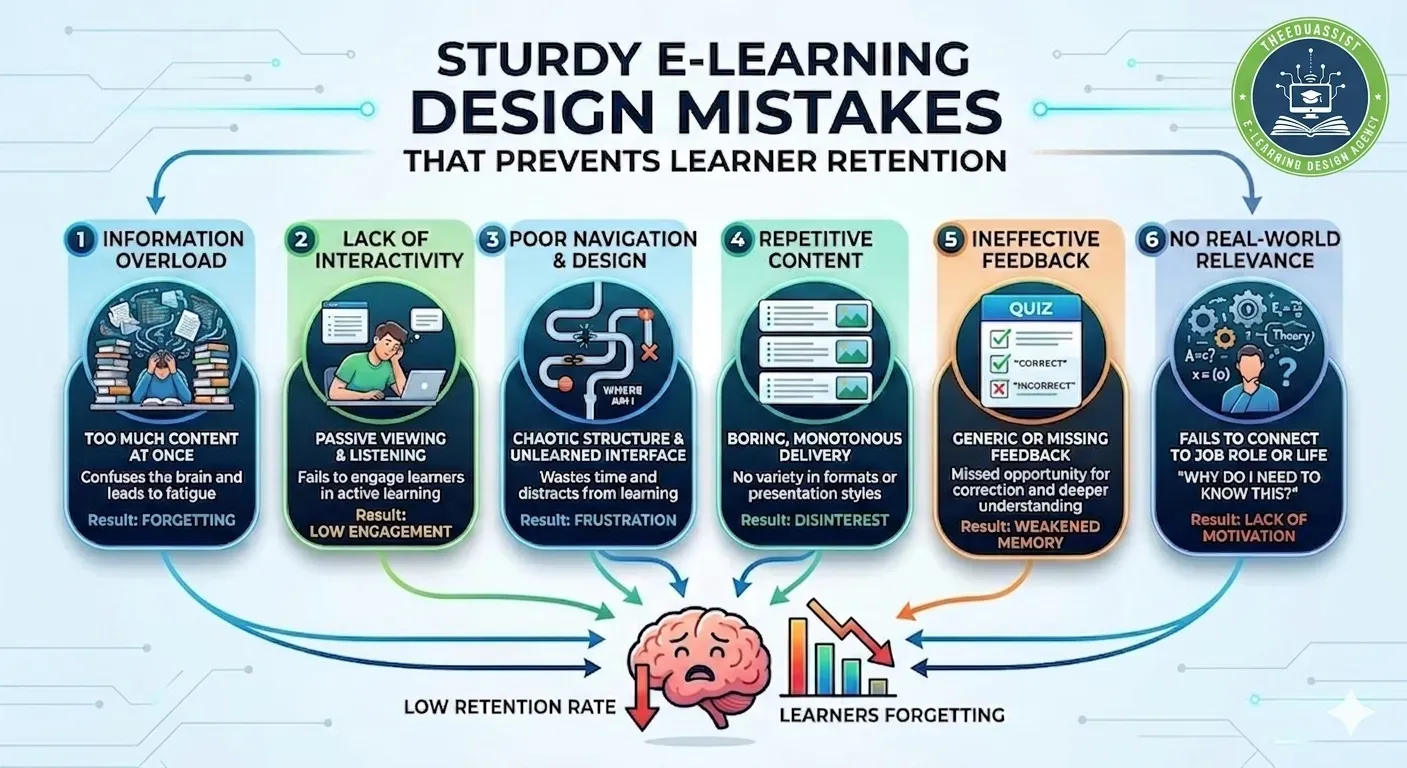
In cases of failure in learning programs, it is not due to a lack of effort. In the vast majority of cases, it is a matter of form. Courses are designed as a compilation of topics, rather than an intentional way of learning. This contributes to confusion, a lack of interest, and improper knowledge implementation.
•6 min read
Read Article
Not sure which article applies to your course or LMS?
Share your course, Kajabi setup, LMS, training content, or platform question. TheEduAssist will review your setup within 24–48 hours and suggest the next best step.