Ultimate Canva Development and Design Support: that Sell
Get ultimate Canva development and design support to create high-converting visuals, presentations, and digital products that attract customers and drive sales.
Table of Contents ▼
Quick Answer
This guide explores how Canva Development and Design supports modern education, eLearning, and corporate L&D. It covers Canva’s visual design features, collaboration tools, multimedia capabilities, accessibility, AI-powered innovations, instructional design principles, practical applications, best practices, and ethical considerations for creating engaging and effective learning content.
Key Takeaways
- Canva helps educators and L&D teams turn complex ideas into professional, engaging visual learning materials.
- Applying multimedia, accessibility, visual design, and instructional design principles can make Canva content more effective for learners.
- Canva’s AI-powered tools can accelerate content creation while supporting scalable, personalized, and interactive learning experiences.
In the fast-evolving world of educational technology and workplace learning, Canva Development and Design stands out as the ultimate thrilling support system that actually sells delivering engaging, professional, and results-driven visual content that boosts learner motivation, retention, and real-world impact. Whether you’re a teacher crafting interactive lessons, an instructional designer building corporate training modules, or an L&D leader creating materials that drive skill acquisition, Canva Development and Design empowers you to turn complex ideas into captivating visuals without needing advanced coding or graphic design expertise.
This comprehensive article draws directly from peer-reviewed research in journals like the Australasian Journal of Educational Technology, British Journal of Educational Technology, Journal of Research on Technology in Education, Educational Technology & Society, The Internet and Higher Education, and Distance Education, alongside resources from ERIC, ResearchGate, Google Scholar, DOAJ, UNESCO, LinkedIn Workplace Learning Reports, WEF Future of Jobs insights, and L&D benchmarks from ATD, Gartner, and Brandon Hall Group. It synthesizes empirical evidence showing how Canva Development and Design aligns with multimedia learning principles, visual literacy research, and modern L&D demands to create content that doesn’t just inform it sells engagement, creativity, and measurable outcomes.
By the end, you’ll have a complete playbook for mastering Canva Development and Design from foundational techniques to AI-powered innovations backed by meta-analyses, case studies, and industry reports. Expect thrilling strategies that make your designs not only beautiful but commercially and educationally effective.
The Evolution of Canva: From Simple Design Tool to EdTech and L&D Powerhouse
Canva launched in 2013 as a user-friendly web-based graphic design platform, democratizing design for non-professionals. By 2026, it has evolved into a full-suite AI-powered ecosystem tailored for education and training. Early versions focused on drag-and-drop templates for posters and presentations; today, Canva Development and Design integrates Magic Studio AI, Canva Code, Magic Activities, and enterprise-grade collaboration tools specifically optimized for EdTech and corporate L&D.
This evolution mirrors broader trends documented in EdTech journals. Research in The Internet and Higher Education and Distance Education highlights the shift toward visual, interactive, and personalized digital learning environments post-pandemic. Canva’s growth aligns perfectly: over 650 million designs created by higher education communities in recent years, with Canva for Education now serving millions of schools and universities globally.
In L&D, reports from LinkedIn’s 2025 Workplace Learning Report and TalentLMS benchmarks emphasize the need for agile content creation amid skills gaps. Canva Development and Design fills this gap by enabling rapid prototyping of training materials infographics, videos, interactive presentations - without hiring specialized designers. Gartner and Brandon Hall Group analyses note that tools reducing design friction by 50-70% (like Canva’s templates and AI) are critical for scaling corporate learning programs.
The result? Canva Development and Design isn’t just a tool it’s thrilling support that sells because it turns educators and L&D pros into confident creators, producing assets that drive enrollment, completion rates, and ROI.
Core Features Powering Canva Development and Design in Education and Training
At its heart, Canva Development and Design excels through intuitive features that support both pedagogical and corporate needs:
- Templates and Brand Kits: Thousands of education-specific templates (lesson plans, infographics, worksheets) and L&D-focused ones (training decks, onboarding guides). Custom Brand Kits ensure consistent, professional output across teams.
- Collaboration and Real-Time Editing: Multiple users co-design in real time - ideal for teacher teams or cross-functional L&D squads, as noted in Journal of Research on Technology in Education studies on collaborative digital tools.
- Multimedia Integration: Embed videos, audio, interactive elements, and data visualizations. Supports export to LMS platforms like Moodle or Canvas (distinct from Canva).
- Accessibility Tools: Auto-generated alt text, high-contrast modes, and readability checks align with UNESCO Digital Education Resources and inclusive design principles in British Journal of Educational Technology.
These features make Canva Development and Design thrilling because they remove barriers. A teacher in Berkeley County Schools noted: “Canva plays such an important role in our district-wide initiative of increasing rigor… through these creative projects.” Similar testimonials appear across Canva Education case studies, showing enhanced student projects and teacher efficiency.
Research Evidence: Why Canva Development and Design Delivers Superior Learning Outcomes
Rigorous studies confirm Canva Development and Design‘s impact. A 2025 meta-analysis published on ResearchGate (analyzing multiple quasi-experimental studies) found Canva has a very large and significant effect (Hedges’ g = 1.703, p < .001) on students’ academic performance. Effects were strongest in English/language subjects, high school/university levels, smaller classes, and active-engagement scenarios like Indonesia-based programs. Sensitivity analyses (Trim-and-Fill, WAAP) confirmed robustness despite heterogeneity.
Complementary research in Journal of Digital Learning and Distance Education and ERIC-indexed papers shows Canva boosts creativity, visual literacy, and motivation. One case study at SDN 1 Purbalingga Lor demonstrated enhanced student creativity through digital literacy integration. Another Saudi Arabian study with speech-disorder students found Canva improved responsive learning in graphic design courses.
Visual design principles research echoed in Computers & Education and Higher Learning Research Communications explains why. Aesthetic elements (consistency, typography, graphics, grid/layout) predict e-learning usability. Poor design increases cognitive load (per Mayer’s multimedia principles, frequently cited in Educational Technology & Society); Canva’s templates and AI enforce these principles automatically, reducing dropout and improving retention.
In L&D, while direct Canva studies are emerging, LinkedIn’s 2025 Workplace Learning Report stresses AI-enabled, personalized content as key to addressing skills crises (49% of L&D pros report executive concern). Canva’s tools support this by enabling rapid creation of engaging materials that boost confidence (e.g., 78% in sales training analogs) and purpose (84% of employees say learning adds purpose).
Practical Applications: Canva Development and Design in Higher Education, Distance Learning, and EdTech
In higher education, Canva Development and Design transforms static lectures into dynamic experiences. Studies in Australasian Journal of Educational Technology and Distance Education highlight its use for infographics, interactive posters, and flipped-classroom videos. One paper on Canva-based interactive media in elementary schools (extendable to higher ed) showed improved outcomes via literature reviews in DOAJ-indexed journals.
For distance education, features like Magic Activities generate instant quizzes or comparisons (e.g., “compare mechanical and electromagnetic waves”), directly supporting research in The Internet and Higher Education on interactive OERs. Canva Code 2.0 turns lessons into code-based interactives, fostering learner autonomy a top pedagogical principle in recent QGD analyses.
Case studies abound: Universities report 650+ million higher-ed designs, with marketing teams using Canva for consistent branding. In MERLOT and OER Commons contexts, educators share Canva-created open resources, amplifying impact globally.
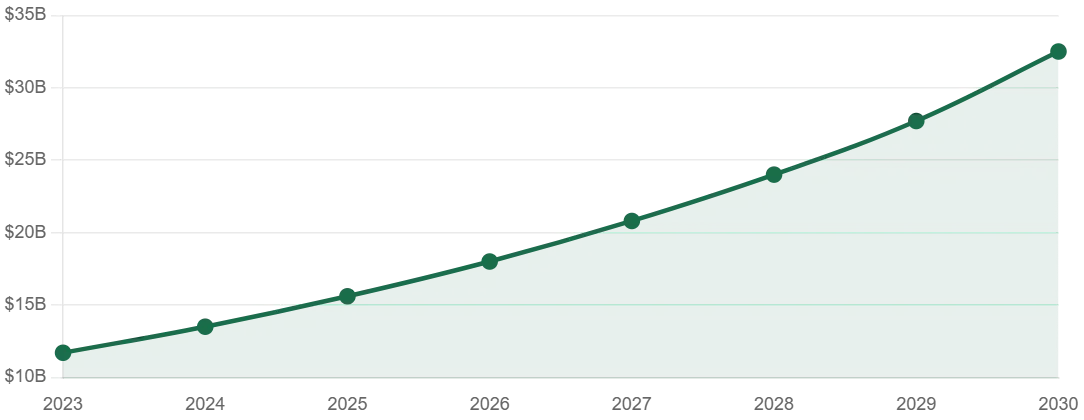
Empowering L&D: Canva Development and Design for Corporate Training That Sells Results
Corporate L&D demands fast, scalable content. Canva Development and Design shines here, as detailed in Training Industry, ATD, and eLearning Industry resources. Instructional designers use it for employee training guides, SOPs, and interactive videos features updated in 2025 for AI-powered video creation and bulk customization.
LinkedIn’s 2025 report shows career development champions (36% of organizations) lead in AI adoption (51% frontrunners) and use dynamic tools for personalized learning. Canva supports this: generate infographics from data, create branded training decks, or build Magic Studio-powered journeys. One 2025 update guide notes L&D teams now design “training that doesn’t suck” via voice prompts and charts.
Outcomes? Higher engagement, reduced creation time (up to 70% per industry benchmarks), and materials that “sell” internally driving completion rates and skill application, aligning with WEF Future of Jobs emphasis on human-AI collaboration.
Best Practices for Thrilling, Selling Canva Development and Design
To maximize impact:
- Apply Visual Design Principles: Use contrast, alignment, repetition, proximity (C.R.A.P. from graphic design research). Canva’s auto-suggestions enforce this.
- Leverage Multimedia Learning: Limit text, pair with images (Mayer-aligned).
- Ensure Accessibility and Inclusivity: Follow UNESCO guidelines via Canva tools.
- Make It Interactive: Add polls, quizzes, clickable elements for engagement.
- Brand and Personalize: Custom kits for “selling” organizational culture.
- Measure and Iterate: Export analytics; refine based on learner feedback.
These practices, rooted in British Journal of Educational Technology and HBR L&D sections, create designs that thrill and convert passive viewers into active learners.
AI-Powered Frontier: 2025-2026 Innovations in Canva Development and Design
Canva’s 2025-2026 updates Magic Activities, AI Where You Work, Image-to-Video, Style Match, Magic Insights represent thrilling leaps. A survey of 1,000 teachers found 78% eager for AI but 93% unsure how to start; Canva bridges this with safe, education-tuned tools for material creation (43% usage), creativity (39%), and accessibility.
L&D pros (71% experimenting with AI per LinkedIn) can prompt: “Build a learning journey” or generate charts from data. This supports Gartner predictions on corporate learning technologies and AIHR repositories.
Challenges, Ethics, and Solutions
Over-reliance on templates can stifle originality (address via custom elements). Privacy in AI features requires Canva Education admin controls. Equity gaps exist ensure device access per DOAJ and CORE open-access studies. Solutions: professional development via Canva Design School and ethical AI guidelines from UNESCO.
Conclusion: Your Ultimate Canva Development and Design Support That Sells
Canva Development and Design is the thrilling, research-validated powerhouse that sells educational excellence whether in classrooms, online courses, or corporate boardrooms. Backed by meta-analyses showing massive effect sizes, visual design studies proving usability gains, and L&D reports demanding agile tools, it equips you to create content that engages, retains, and transforms.
Start today: Explore Canva for Education/Pro, experiment with Magic Studio, and apply these strategies. Your next design won’t just look good it will drive real learning outcomes and business impact. The future of EdTech and L&D is visual, interactive, and AI-enhanced. With Canva Development and Design, you’re already ahead.
Authored By : Atiqa Sajid http://www.linkedin.com/in/atiqa-sajid-747b57137
Need Help Building or Scaling Your Online Learning Program?
Whether you are launching an academy on Kajabi, modernizing corporate LMS modules, or converting raw expertise into accredited curriculum, our senior instructional designers provide a complimentary architecture evaluation.
Sources & References
- Association for Talent Development. (2025). State of the industry report. https://www.td.org
- Brandon Hall Group. (2025). Learning and development benchmark research. https://www.brandonhall.com
- Gartner. (2025). Future of work and learning technologies insights. https://www.gartner.com
- International Society for Technology in Education. (2024). EdTech trends in education. https://www.iste.org
- LinkedIn. (2025). Workplace learning report. https://learning.linkedin.com/resources/workplace-learning-report
- Mayer, R. E. (2009). Multimedia learning (2nd ed.). Cambridge University Press.
- ResearchGate. (2025). Meta-analysis on Canva-based learning interventions.
- TalentLMS. (2024). Workplace learning report and training benchmarks.
- UNESCO. (2023). Guidelines on artificial intelligence in education
- World Economic Forum. (2023). The future of jobs report
Frequently Asked Questions
QWhat is Canva Development and Design Support?
Canva Development and Design Support is a structured approach to creating professional, engaging visual content using Canva, AI tools, and instructional design principles for education and businessuse.
QHow does Canva improve course creation and learning design?
Canva helps course creators build visually rich, interactive learning materials that improve engagement, retention, and completion rates using ready-made templates and AI features.
QCan Canva be used for instructional design and LMS platforms?
Yes. Canva integrates seamlessly into instructional design workflows and supports platforms like Skool, Kajabi, and ClickFunnels for building structured learning experiences.
QWhy is Canva important for EdTech and L&D professionals?
Canva reduces design time, improves visual communication, and enables scalable content creation, making it essential for modern EdTech and corporate L&D teams.Canva reduces design time, improves visual communication, and enables scalable content creation, making it essential for modern EdTech and corporate L&D teams.
QDoes Canva help increase engagement and conversions?
Yes. Research shows visually structured content improves learner attention, motivation, and course completion leading to higher engagement and better conversions.
QIs Canva suitable for beginners in design and course creation?
Absolutely. Canva is beginner-friendly with drag-and-drop tools, templates, and AI features, allowing non-designers to create professional-grade learning content easily.