GHL Made Easy: Ultimate Guide or EdTech & Coaching Businesses in New Jersey
The rapid expansion of digital education has transformed how training providers deliver learning experiences and this is where GHL comes in. EdTech startups, coaching businesses, and training consultancies increasingly rely on digital platforms to...
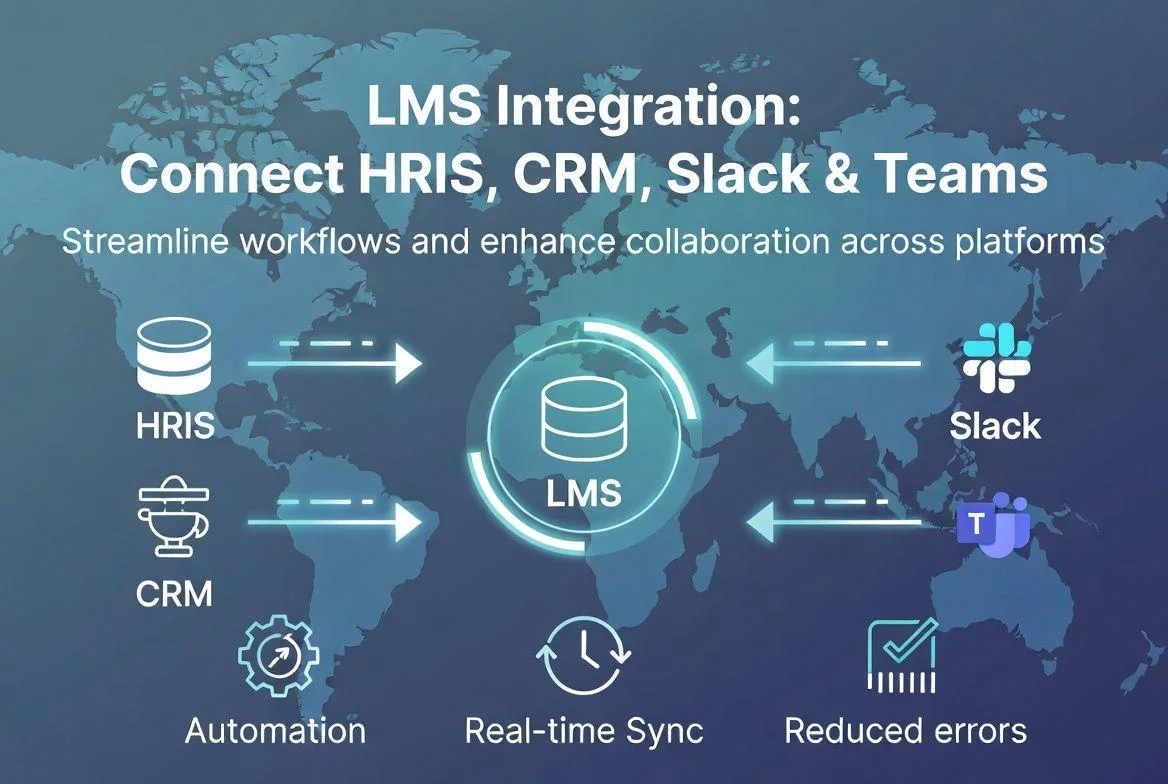
Table of Contents ▼
Quick Answer
In-depth guide to GHL Made Easy: Ultimate Guide or EdTech & Coaching Businesses in New Jersey. Outlines key principles, proven workflows, and implementation strategies for education businesses and enterprise training programs.
Key Takeaways
- Gain actionable knowledge on GHL Made Easy: Ultimate Guide or EdTech & Coaching Businesses in New Jersey with practical frameworks.
- Understand key technical and pedagogical considerations for scalable delivery.
- Improve learner engagement and knowledge retention across distributed teams.
- Avoid common design pitfalls through structured evaluation and continuous iteration.
The rapid expansion of digital education has transformed how training providers deliver learning experiences and this is where GHL comes in. EdTech startups, coaching businesses, and training consultancies increasingly rely on digital platforms to manage course creation, marketing, and learner engagement in one integrated system.
Why EdTech and Coaching Businesses Are Turning to GHL:
For organizations in New Jersey’s growing education and professional training ecosystem, this shift presents both opportunity and complexity. Launching a successful online course requires more than high-quality learning content. Businesses must also manage landing pages, student onboarding, email automation, and learning platform integration.
This is where Go High Level (GHL) has gained attention as an all-in-one system capable of supporting marketing automation, funnel building, and client management. However, many EdTech teams discover that implementing GHL effectively requires careful planning and technical setup.
Without a structured development approach, organizations may struggle to connect GHL with their Learning Management System (LMS), automate course delivery, or create an efficient learning workflow.
For businesses investing in custom elearning development, understanding how to properly set up GHL can significantly improve operational efficiency.
The Core Challenge: Turning GHL Into a Functional Learning System:
At first glance, GHL appears to provide everything an education business needs: marketing funnels, CRM features, automation tools, and integrations.
However, EdTech companies and coaching programs quickly discover that GHL is not a traditional LMS platform. While it excels in marketing automation and customer journey management, it does not natively manage structured course delivery like dedicated learning platforms.
As a result, organizations often encounter challenges such as:
- Difficulty connecting GHL with LMS platforms
- Fragmented course onboarding processes
- Manual enrollment workflows
- Inconsistent student communication Without proper configuration, the system may function more like a marketing tool than a complete eLearning ecosystem.
This gap is where structured instructional design and platform integration strategies become critical.
Why Many GHL Implementations Fall Short:
Several common factors explain why some GHL implementations fail to support scalable EdTech operations.
Lack of Instructional Design Planning
Successful digital learning systems require more than marketing automation. Programs must also follow structured instructional design principles to ensure courses are organized logically and delivered effectively.
When course structure is not considered during platform setup, learners may encounter confusing navigation or fragmented learning experiences.
Poor LMS Integration
Many EdTech businesses rely on platforms such as LearnDash to host their courses. If GHL is not integrated properly with the LMS, student enrollment and access management can become inefficient.
For example, students might receive marketing emails from GHL but still require manual account setup in the LMS.
Inefficient Course Onboarding Workflows
Without automation, coaching businesses often manage course enrollments manually. This slows down the launch of new training programs and creates administrative overhead.
A properly configured system should automate the transition from lead generation to course enrollment.
Risks of an Improper GHL Setup:
Failing to structure the platform correctly can create several operational challenges for EdTech organizations.
- **Disconnected learner journeys: **Students may struggle to move smoothly from registration to course access.
- **Lost marketing opportunities: **Automation features remain underutilized, reducing the platform’s potential.
- **Administrative overload: **Manual processes increase the workload for small training teams.
- **Lower student engagement: **If onboarding is confusing, learners may abandon courses early. These issues highlight why a strategic setup process is essential when using GHL within an eLearning business model.
A Structured Approach to GHL Development and Setup:
To maximize the platform’s potential, EdTech and coaching businesses should follow a structured development framework.
Step 1: Define Your Course Delivery Model
Before configuring GHL, organizations must clarify how courses will be delivered.
Questions to consider include:
- Will courses be hosted on an external LMS such as LearnDash?
- Will training include live coaching sessions, self-paced modules, or both?
- How will students progress through the course structure? Clear answers help align the technical setup with the learning strategy.
Step 2: Design the Student Journey
Next, map the learner’s journey from initial interest to course completion.
Typical stages include:
- Lead capture through marketing funnels
- Automated onboarding emails
- Course enrollment confirmation
- LMS account access
- Ongoing student communication This approach ensures that GHL supports the entire online course lifecycle.
Step 3: Integrate GHL With Your LMS
Most EdTech businesses combine GHL with a Learning Management System to host their course materials.
Integration methods may include:
- API connections
- Automation platforms such as Zapier
- Membership site integrations This step ensures that when a learner purchases a course, they automatically receive access to the training platform.
Step 4: Automate the Learning Workflow
One of GHL’s strongest capabilities is automation.
Businesses can configure workflows that:
- Send onboarding emails
- Deliver course reminders
- Guide students through training milestones
- Promote advanced programs Automation allows small teams to manage large numbers of learners efficiently. An example here is Bellxcel in New Jersey, a nonprofit organization that empowers educators through coaching, training, and a digital platform.
Step 5: Monitor Performance and Optimize
Once the system is active, organizations should track metrics such as:
- Student engagement
- Course completion rates
- Funnel conversions These insights help improve both course design and marketing performance over time.
Summing Up:
For EdTech startups and coaching businesses in New Jersey, GHL can become a powerful engine for marketing automation and student acquisition. However, its effectiveness depends on how well it integrates with a structured learning environment.
By combining GHL with thoughtful instructional design, LMS integration, and custom elearning development, organizations can create a seamless system that supports both marketing growth and high-quality learning experiences.
When implemented strategically, GHL allows training businesses to scale their online course operations while maintaining an efficient and engaging learner journey.
Citations:
- https://codeandcakes.com/
- https://www.bellxcel.org/
- https://netpartners.marketing/gohighlevel-for-education-training-businesses-automating-enrollments-payments-progress-tracking-and-renewals/
Frequently Asked Questions (FAQs):
Can Go High Level be used as a learning management system?
GHL is not a traditional Learning Management System, but it can support course businesses by managing marketing funnels, student onboarding, and automation workflows. Many EdTech companies integrate it with LMS platforms such as LearnDash for course delivery.
Why do EdTech businesses integrate GHL with LMS platforms?
Combining GHL with an LMS allows businesses to automate student acquisition and marketing while delivering structured online courses through the learning platform.
How does instructional design improve course platforms?
Strong instructional design ensures that course materials are organized logically, learning objectives are clear, and students can progress through training effectively.
What is the benefit of automation in course creation businesses?
Automation tools allow businesses to streamline student onboarding, course enrollment, and communication, reducing manual administrative tasks.
Do coaching businesses need custom elearning development?
Yes. Custom elearning development helps organizations create tailored learning experiences, integrate platforms like GHL and LMS systems, and deliver scalable training programs.
Planning an enterprise LMS rollout or zero-downtime migration? Learn more about our technical LMS Solutions and custom integrations.
Frequently Asked Questions
QCan Go High Level be used as a learning management system?
GHL is not a traditional Learning Management System, but it can support course businesses by managing marketing funnels, student onboarding, and automation workflows. Many EdTech companies integrate it with LMS platforms such as LearnDash for course delivery.
QWhy do EdTech businesses integrate GHL with LMS platforms?
Combining GHL with an LMS allows businesses to automate student acquisition and marketing while delivering structured online courses through the learning platform.
QHow does instructional design improve course platforms?
Strong instructional design ensures that course materials are organized logically, learning objectives are clear, and students can progress through training effectively.
QWhat is the benefit of automation in course creation businesses?
Automation tools allow businesses to streamline student onboarding, course enrollment, and communication, reducing manual administrative tasks.
QDo coaching businesses need custom elearning development?
Yes. Custom elearning development helps organizations create tailored learning experiences, integrate platforms like GHL and LMS systems, and deliver scalable training programs.