Teenagers today are growing up in a world shaped by automation, coding tools, cloud platforms, AI, cybersecurity, and digital entrepreneurship. Yet many traditional IT classes still focus on outdated software skills or passive theory-based teaching. That creates a major opportunity for schools, academies, and course creators in Ohio to focus on modern IT curriculum development specifically for teenagers.
Across Columbus, Cleveland, Cincinnati, Toledo, Akron, and Dayton, demand is growing for classes that teach practical technology skills in ways young learners actually enjoy.
However, many institutions face common challenges:
- Outdated curriculum models
- Low student engagement
- Lessons disconnected from real careers
- Weak hands-on practice
- No progression from beginner to advanced skills
Creating updated IT classes in 2026 requires more than adding new topics. It requires instructional design, learner psychology, structured curriculum development, and interactive content delivery.
This guide explains how to build IT classes that teenagers actually want to join and complete.
Why Old IT Classes No Longer Work
Many legacy programs teach technology as static knowledge:
- Memorizing terms
- Watching demonstrations
- Repeating basic software tasks
But teenagers learn differently.
Modern learners expect:
- Active participation
- Project-based learning
- Visual and interactive content
- Clear relevance to future careers
Educational research consistently shows that active, problem-solving environments improve motivation and retention more effectively than passive instruction.
That means a modern IT class must feel less like a lecture and more like a challenge, workshop, or creator lab.
Introducing teens to IT byu/Krator61 insysadmin
Start With the Teen Mindset, Not the Subject
A common mistake is building curriculum around technology categories instead of learner interests.
Instead of asking:“What should we teach?”
Ask:“What would motivate a teenager to keep learning this?”
Teen learners are often drawn to:
- Building apps or websites
- Gaming technology
- Robotics and automation
- Content creation tools
- Cybersecurity challenges
- AI tools and prompts
- Digital entrepreneurship
When curriculum connects IT skills with identity and future opportunity, engagement rises dramatically.
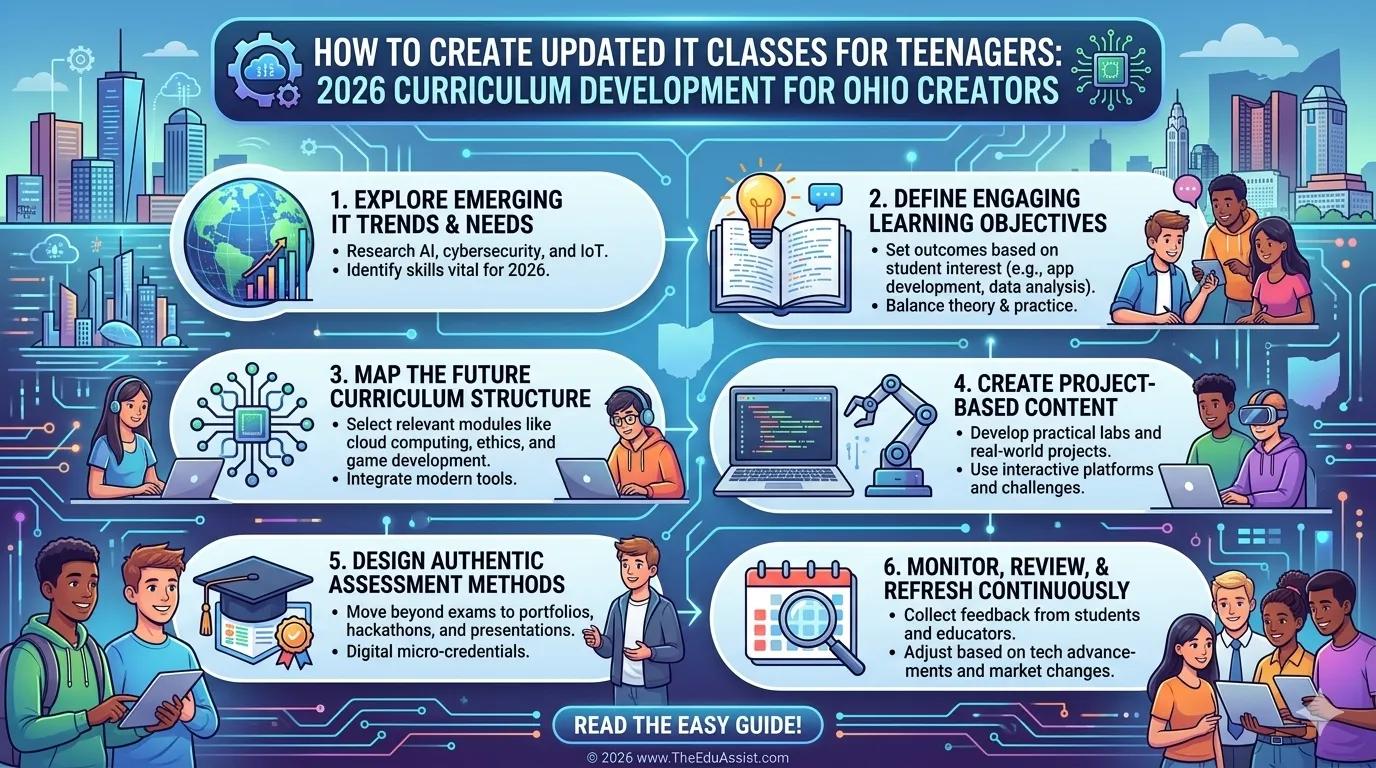
Build a 2026 Skills-First Curriculum Framework
Rather than long theory-heavy modules, organize classes around real outcomes.
Recommended Curriculum:
ModuleFocusModule 1Digital literacy and online safetyModule 2Coding basics and logic thinkingModule 3Website creation and designModule 4AI tools for productivityModule 5Cybersecurity fundamentalsModule 6Team project and presentation
This structure helps teenagers see progress quickly.It also supports microlearning pathways, where each module delivers a practical win.
Use Project-Based Learning to Increase Retention
Teenagers remember what they build.
Instead of only teaching concepts, create projects such as:
- Build a personal portfolio site
- Create a chatbot workflow
- Design a gaming leaderboard in spreadsheets
- Launch a mini online brand
- Make a cybersecurity awareness campaign
Project-based learning combines:
- Technical skill development
- Communication
- Creativity
- Confidence building
This approach aligns strongly with modern L&D and content development practices.
Make Lessons Interactive (Not Just Slides)
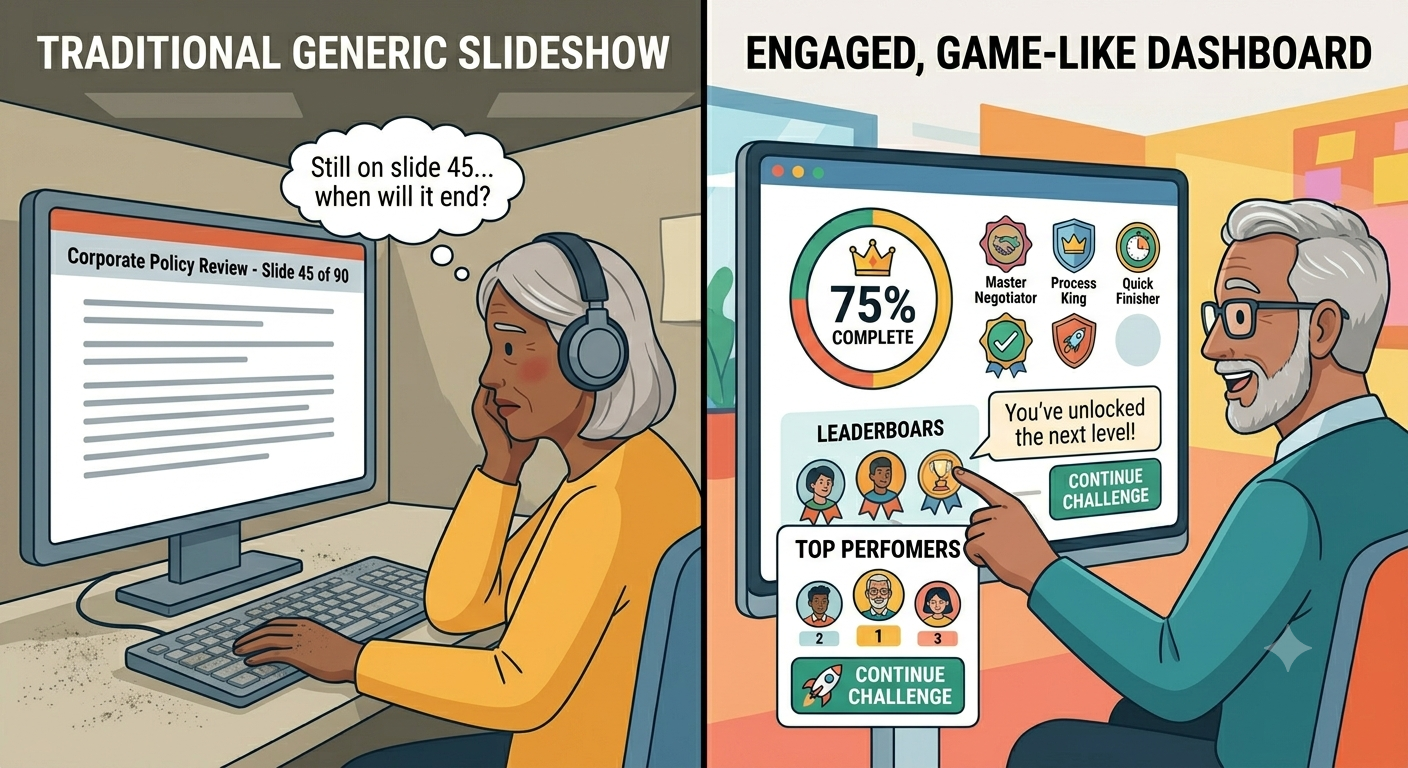
If classes rely only on slide decks, motivation drops quickly.
Use:
- Live demos
- Quizzes
- Coding challenges
- Breakout teamwork
- Competitions
- Scenario tasks
- Polls and peer reviews
For online delivery, tools like Articulate Rise 360 or Articulate Storyline can help convert static lessons into interactive modules.
Interactive design is one of the biggest eLearning trends 2026.
Include Career Awareness Without Pressure
Teen learners often ask:
- “Where can this skill lead?”
- “Can I earn from this?”
- “Is coding the only path?”
Build short career spotlight sections into the program:
- UI/UX design
- IT support
- Data analytics
- Digital marketing tech
- HR tech systems
- Project management
- Cybersecurity entry roles
This gives relevance without turning the class into career pressure.
Create a Supportive Multi-Skill Delivery Team
Strong teen IT classes often need more than one instructor profile.
A high-performing program may include:
- Curriculum designer
- Technical trainer
- Community/class coordinator
- Project mentor
- Student support lead
This improves delivery quality and learner retention.
For growing academies, this is where consulting services and scalable systems can help.
Deliver Through the Right LMS
To manage teen cohorts effectively, use an LMS such as:
- Thinkific
- Kajabi
- LearnDash
These platforms help with:
- Lesson sequencing
- Assignments
- Certificates
- Attendance and progress tracking
- Parent/student communication workflows
Quick Comparison Table: Best Formats for Teen IT Classes
FormatBest UseKey AdvantageLive CohortMotivation & accountabilityReal-time supportSelf-Paced LMSFlexible schedulesScalable deliveryHybrid ModelBest overall balanceStructure + flexibility
For many Ohio creators, hybrid delivery is the strongest option.
Cost Reality Check: Building a Professional Teen IT Program
CategoryEstimated CostCurriculum design$2,000 – $6,000Instructor content creation$1,000 – $4,000LMS tools$39 – $199/monthInteractive assets/projects$500 – $2,000
Programs built strategically often outperform cheaper “slides-only” models.
Unique Perspective: Teach Confidence, Not Just Computers
The most successful teen IT programs do more than teach software.
They help learners develop:
- Confidence with technology
- Problem-solving ability
- Teamwork habits
- Presentation skills
- Curiosity about future careers
That is what parents value, schools seek, and learners remember.
Final Thoughts
For creators in Ohio, launching updated IT classes for teenagers is a timely opportunity.
But success depends on modern design, not outdated teaching habits.
By combining:
- Instructional design
- Project-based learning
- Interactive delivery
- Career relevance
- LMS systems
- Consistent learner support
you can build a program that teenagers enjoy and that parents trust.
Platforms like theeduassist.com and expert edu-assist consulting services can also help schools and creators structure scalable custom eLearning IT programs built for 2026 learners.
References
- https://www.usenix.org/legacy/publications/library/proceedings/usenix98/full_papers/hjalmtysson/hjalmtysson.pdf
- https://www.learntechlib.org/p/111358/
- https://trainingindustry.com/articles/content-development/content-development-the-best-practices-of-great-training-organizations/
FAQs
What should teenagers learn in modern IT classes?Teenagers benefit from coding, AI tools, cybersecurity basics, website creation, digital literacy, and project collaboration skills.
How long should teen IT classes be?Shorter modular formats (45–90 minute sessions with projects) often work better than long lecture-heavy classes.
Should IT classes for teens be online or in person?Hybrid models often work best because they combine live accountability with self-paced learning resources.
Why do many teen tech programs fail?They often use outdated curriculum, passive teaching, and no clear connection to real-world skills.
How can TheEduAssist help build teen IT classes?TheEduAssist supports schools and creators with curriculum design, LMS setup, content development, and scalable custom eLearning systems.
Authored By: Sofia Arif